2025년 10월, 워싱턴 D.C.
미국 연방준비제도(Fed)가 주최한 ‘Payments Innovation Conference’ 무대 위에서
전통 금융과 탈중앙 금융이 마침내 정면으로 마주 앉았다.
한쪽에는 세계 최대 수탁은행 BNY Mellon,
또 한쪽에는 블록체인 오라클 네트워크의 선구자 Chainlink,
그리고 그 사이를 잇는 Fireblocks와 Lead Bank가 있었다.
- 세르게이 나자로프(Sergey Nazarov) – Chainlink 공동창립자
- 제니퍼 바커(Jennifer Barker) – BNY Mellon 글로벌 트레저리 총괄
- 마이클 샤울로브(Michael Shaulov) – Fireblocks CEO
- 재키 리시스(Jackie Reses) – Lead Bank CEO
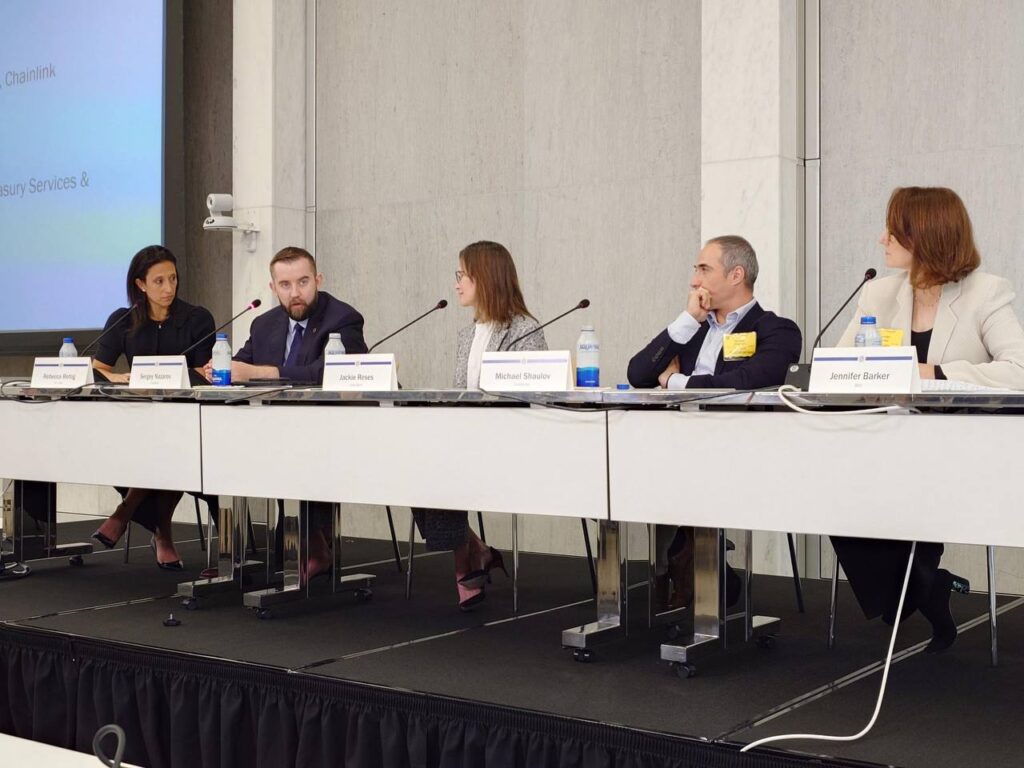
이 네 기관이 함께 논의한 주제는 단순한 기술이 아니었다.
그들은 “신뢰(trust)”의 구조 자체를 다시 설계하는 방법을 이야기했다.
연준이 불러낸 이유
이번 컨퍼런스가 가진 상징성은 단순히 ‘민관 협력’ 수준을 넘어선다.
연준이 Chainlink의 공동창업자 **세르게이 나자로프(Sergey Nazarov)**를 초대했다는 사실 자체가
이미 제도권이 DeFi를 새로운 금융 인프라로 인정하기 시작했다는 신호다.
과거엔 “암호화폐 = 규제의 바깥”이었다면,
이제는 “암호화폐 인프라 = 차세대 금융의 기반”으로 전환되고 있다.
즉, Fed가 더 이상 DeFi를 외부 변수로 보지 않는다는 의미다.
“Public Oracle Networks can be configured the same way public blockchains are.”
— Sergey Nazarov, Chainlink Co-Founder
그 말은 곧, 오라클 네트워크조차 중앙은행 수준의 신뢰 구조로 설계될 수 있다는 선언이었다.
이는 블록체인이 단순한 ‘코드의 실험실’이 아니라
‘정책의 실험실’로 진입했음을 의미한다.
기술이 아닌 ‘신뢰의 재구성’
이번 토론의 핵심은 DeFi 기술의 확장도, 은행의 효율성 개선도 아니다.
진짜 주제는 **‘신뢰의 주체가 누구인가’**에 대한 철학적 질문이다.
Chainlink가 말한 오라클 네트워크,
BNY Mellon이 설명한 토큰화 예금,
Fireblocks가 구현한 다중서명 인프라,
Lead Bank가 언급한 규제적 신뢰의 변환 —
이 모든 논의는 결국 하나의 공통점으로 수렴한다.
“신뢰를 데이터로 증명하고, 코드를 통해 실행한다.”
즉, “Trustless System”은 신뢰가 사라진 세상이 아니라,
신뢰가 프로토콜로 치환된 세상이다.
1. Interoperability의 두 축 (10:06–15:00)
핵심: “기존 시스템과 블록체인의 동기화” vs “체인 간 상호연결”
- (10:06–11:00) 1단계: 기존 금융 인프라(SWIFT, DTCC 등)와 블록체인 간 동기화 필요.
- (11:00–12:00) 2단계: 체인 간 연결(Cross-chain) — 체인 생성비용 하락 → 파편화 증가 → 자본의 사일로(siloed capital) 발생.
- (12:00–13:30)
→ 해결책: “표준화된 동기화 프로토콜 필요.”
→ “Chainlink는 SWIFT, DTCC 등과 협업 중.” - (13:30–15:00)
→ 과제: 단순 연결이 아니라 “회계·규제·컴플라이언스 요건까지 충족하는 트랜잭션 설계.”
→ “2~5년간 하이브리드 구조(기존 시스템+신규 체인)가 병존할 것.”
2. 은행의 현실과 한계 (15:13–19:10)
핵심: “은행은 아직 준비가 안 됐다.”
- (15:13–16:20)
→ “은행 인프라는 극도로 파편화되어 있고, 이건 블록체인보다 더 심각하다.”
→ “미국 내에서 실질적으로 암호화폐 인프라를 다루는 은행은 10곳 남짓.” - (16:20–17:20)
→ 주요 적용 예상 분야:
① 지갑(wallets) – 소비자 중심
② 인프라(infrastructure) – 송금, 보관, 온·오프램프 등 - (17:20–18:40)
→ “소비자 지갑에서 스테이블코인을 쓰는 건 아직 현실적이지 않다.”
→ “진짜 적용은 인프라 레벨에서 먼저 온다.” - (18:40–19:10)
→ “FedNow(24/7 결제망)도 이미 존재하므로, 비용·속도보다 실질 효용이 중요.”
3. 규제와 결제 시스템의 기술적 간극 (19:16–20:09)
핵심: “결제의 ‘최종성(finality)’과 ‘되돌릴 수 있음(revocability)’ 사이의 균형.”
(19:16–20:09)
→ 전통 금융은 거래를 ‘취소’할 수 있음(소비자 보호 목적).
→ 블록체인은 불가역적(final).
→ “이 두 세계가 충돌할 때, 어떤 규제 프로세스로 조정할 것인가?”
4. 커스터디(보관)의 패러다임 변화 (20:33–25:40)
핵심: “지금의 보관(Custody)은 ‘비밀키 관리(Key Management)’로 진화했다.”
- (20:33–22:00)
→ 기존 은행: 금고(safe)와 장부(books & records).
→ 블록체인: L1이 곧 장부, 커스터디언은 ‘비밀키 관리자’. - (22:00–24:00)
→ Fireblocks가 개발한 MPC(다자간 계산) 기반 키 보안 구조 소개.
→ 보안·리스크 완화·사이버보호 강화. - (24:00–25:40)
→ 문제는 기술이 아니라 기존 IT 구조.
→ “은행의 핵심 시스템이 70~90년대 코드(Cobol) 기반이라 실시간 대응 불가.”
5. 기술 격차 해소를 위한 실전 전략 (26:34–30:05)
핵심: “기존 인프라의 혁신도 병행해야 한다.”
- (26:34–28:00)
→ “FedNow 실시간 결제망”, “ISO 20022 메시징 표준”, “AI 기반 사기 탐지” 등 기존 시스템 업그레이드 병행. - (28:00–29:30)
→ “BNY는 이미 디지털 자산 커스터디와 온/오프램프 통합 완료.” - (29:30–30:05)
→ “우리의 역할은 표준과 신뢰의 연결고리다.”
6. DeFi와 규제의 충돌 (30:23–34:40)
핵심: “DeFi의 무허가성(permissionless)과 기관의 규제의무는 양립이 어렵다.”
- (30:23–32:00)
→ Fireblocks는 “permissioned DeFi layer”를 별도로 설계 중.
→ 즉, 기관용 화이트리스트·KYC된 DeFi. - (32:00–34:40)
→ “지금 가장 중요한 건 온체인 신원(on-chain identity).”
→ “규제를 코드로 만드는 Onchain Compliance Layer가 다음 세대의 핵심이 될 것.”
7. DeFi가 90% 양보해야 할 현실 (43:24–46:05)
핵심: “DeFi는 이상주의에서 법적 현실로 내려와야 한다.”
- (43:24–45:09)
→ “처음엔 자유주의적 철학이 지배했지만, 이제는 규제와의 조화 없이는 생존 불가.”
→ “Signature, Silvergate 사태로 업계가 ‘은행 의존성’을 절감.” - (45:09–46:05)
→ “스타트업들은 컴플라이언스 컨설턴트를 반드시 붙여야 한다.”
8. 토큰화 예금 vs 스테이블코인 (47:02–49:00)
핵심: “은행 안의 돈 vs 은행 밖의 돈”
| 항목 | 토큰화 예금 (Tokenized Deposit) | 스테이블코인 (Stablecoin) |
|---|---|---|
| 위치 | 은행 내부 시스템 (on-bank) | 은행 외부 시스템 (off-bank) |
| 담보 | 예금 자체 | 현금/국채 등 |
| 장점 | 유동성·결제 위험 감소 | 글로벌 확장성 |
| 리스크 | 제한된 상호운용성 | 담보 리스크·DPEG 가능성 |
9. Proof of Transparency (50:07–52:06)
핵심: “Proof of Reserves → Proof of Liabilities → Proof of Solvency”
→ 블록체인의 투명성 원리를 전통 금융에 이식.
→ “시장 스스로 리스크를 판단하게 하는 구조.”
- Proof of Reserves (보유 증명)
→ 스테이블코인이나 토큰화된 자산이 실제로 존재함을 증명 - Proof of Liabilities (부채 증명)
→ 발행된 토큰에 상응하는 부채 구조를 투명하게 공개 - Proof of Solvency (지급 능력 증명)
→ 기업의 재무 건전성을 온체인으로 실시간 검증
이 세 가지는 단순히 데이터를 보여주는 게 아니라,
“신뢰를 프로토콜 수준에서 계산 가능하게 만드는 구조”
10. 은행의 토큰화 도입 전망 (52:23–55:30)
핵심: “토큰화는 은행의 새로운 메시징 레이어가 될 것”
→ 다만 공공체인에서는 “법적 책임 불명확”으로 실험 중단 사례 다수.
스크립트 전문 (영한)
0:00
Uh good morning. Thanks to everyone for being here. It’s my privilege to kick off today’s conference with a panel
좋은 아침입니다. 오늘 이 자리에 함께해 주신 모든 분들께 감사드립니다. 오늘 회의를 패널과 함께 시작하게 되어 영광입니다.
0:06
about the convergence of our traditional financial system with a new system called decentralized finance or DeFi.
오늘의 주제는 전통 금융 시스템과 탈중앙화 금융, 즉 디파이(DeFi)라 불리는 새로운 시스템의 융합입니다.
0:14
Before we jump into substance, I want to thank Governor Waller, Sunnina, Alex, Ria, and everyone at the Fed for
본격적인 내용에 들어가기 전에, 월러 이사님, 수니나, 알렉스, 리아, 그리고 연준의 모든 분들께 감사드립니다.
0:21
converging us for convening us to discuss the evolution of our payment system. This type of forward-thinking
이런 자리를 마련해 우리 결제 시스템의 진화에 대해 논의할 수 있게 해주신 데 감사드립니다. 이런 미래지향적인
0:28
collaborative event allows us to ensure a cutting edge and safe financial system
협력적 행사는 우리가 최첨단이면서도 안전한 금융 시스템을 보장할 수 있도록 도와줍니다.
0:34
and to ensure that the US economy remains competitive. Starting the day with a D5 panel is brave. It shows a
그리고 미국 경제가 경쟁력을 유지할 수 있도록 합니다. 하루를 디파이 패널로 시작한다는 건 용기 있는 일입니다. 그것은
0:41
willingness to engage with one of the thorniest questions on innovation. whether and how traditional financial
혁신과 관련된 가장 까다로운 질문 중 하나에 정면으로 마주하려는 의지를 보여줍니다. 즉, 전통 금융이
0:49
institutions and traditional financial services will and can evolve with the
새로운 기술 기반의 중개자 없는 시스템과 함께 진화할 수 있는가 하는 문제입니다.
0:54
advent of an intermediaryless technological system. Although there’s
이런 중개자가 없는 기술 시스템의 등장은 큰 변화를 의미합니다.
0:59
not a universal definition of DeFi. In fact, regulators, policy makers, and industry cannot agree on one. I’ll
사실 디파이에 대한 보편적인 정의는 없습니다. 규제 당국, 정책 입안자, 산업계 모두 합의된 정의를 내리지 못했습니다.
1:07
provide a brief definition for purposes of today’s panel. DeFi is a software system that runs on
그래서 오늘 패널을 위해 간략히 정의하자면, 디파이는
1:14
permissionless blockchains and allows individuals and institutions to engage
허가가 필요 없는 블록체인 위에서 작동하며, 개인과 기관이
1:19
in economic transactions without an intermediary. There has been a lot of talk over the
중개자 없이 경제적 거래를 수행할 수 있게 하는 소프트웨어 시스템입니다.
1:26
years about whether this new intermediaryless system can or will
수년 동안 이러한 새로운 시스템이 과연
1:31
disrupt or replace TRDFI. Very recently, ICE chairman Jeff Spreer spoke of his
기존의 전통 금융(TRADFI)을 교란하거나 대체할 수 있을지에 대한 논의가 이어져 왔습니다. 최근 ICE(인터컨티넨털 익스체인지)의 제프 스프리어 회장은
1:37
rationale for a recent investment in and partnership with a company building a widely used DeFi application called Poly
폴리마켓(PolyMarket)이라는 유명한 디파이 애플리케이션 개발사에 투자하고 협력하게 된 이유를 설명했습니다.
1:45
Market. Mr. Spreer said that ICE made the investment so quote, “We don’t get
스프리어 회장은 “우리가 중개에서 배제되지 않기 위해 투자했다”고 말했습니다.
1:50
disintermediated.” Two important things on this. First, unless you’re really in the crypto
즉, ‘탈중개화(disintermediation)’되지 않기 위해서입니다. 여기서 두 가지 중요한 점이 있습니다.
1:56
industry, you’re unlikely to even know that Poly Market is DeFi or even that it’s built on a blockchain. Second, as
첫째, 암호화폐 업계에 종사하지 않는다면 폴리마켓이 디파이 기반이거나 블록체인 위에 구축된 서비스라는 사실조차 모를 가능성이 큽니다.
2:04
of today, the total value locked in all DeFi applications comprises about 4% of
둘째, 현재 모든 디파이 애플리케이션에 묶여 있는 총 자산 규모는 전체 암호화폐 시장의 약 4%에 불과합니다.
2:11
the total crypto market and significantly less than 1% of GDP. In
이는 전 세계 GDP의 1%도 안 되는 수준입니다.
2:17
other words, there’s an acknowledgement that DeFi has great potential to bring new disruptive features to traditional
즉, 디파이는 전통 금융과 결제 시스템에 혁신적 변화를 가져올 잠재력이 크다는 점은 인정되지만,
2:23
payments and financial services, but there is also a very long road to go.
아직 갈 길이 매우 멉니다.
2:28
This road is paved with new technology. To that end, today we’ll discuss the current state of DeFi technology,
이 여정은 새로운 기술로 포장되어 있습니다. 오늘 우리는 디파이 기술의 현재 상태,
2:35
whether and how Tradi can use and integrate with it, and where we’ll go in the future. This panel will also tackle
전통 금융이 이를 어떻게 활용하고 통합할 수 있을지, 그리고 앞으로의 방향에 대해 논의할 것입니다. 이번 패널에서는 또한
2:41
the incredibly important questions relating to stable coins crit critical role in the DeFi ecosystem and examine
디파이 생태계에서 스테이블코인이 맡고 있는 핵심적 역할에 관한 중요한 질문을 다루고,
2:48
tokenized deposits as well as DeFi’s potential future role in bake in bank liquidity provisioning and liquidity
토큰화된 예금, 그리고 디파이가 향후 은행 유동성 공급 및 유동성 서비스에 어떤 역할을 할 수 있을지도 살펴보겠습니다.
2:54
services. The DeFi tradi disruption question is unlikely to have a singular answer and instead will as the title of
디파이가 전통 금융을 대체할 것인가의 문제는 단일한 답이 없을 것입니다. 오히려 오늘 패널의 제목처럼
3:02
this panel notes require bridges. Governor Waller said it well in his recent remarks at SIBOS on the next
양측을 잇는 ‘브리지’가 필요할 것입니다. 월러 이사님이 최근 시보스(SIBOS) 회의에서 언급하셨듯,
3:09
frontier of payment innovation. He said innovation is not an issue of tradi versus defi but rather poses an
결제 혁신의 다음 단계는 전통 금융과 디파이의 대결이 아니라,
3:16
opportunity to harness the complimentary strengths each has to offer especially at a time where we are seeing increased
각자가 가진 강점을 조화롭게 활용할 기회라고 말씀하셨습니다. 특히 두 시스템 간의 융합이 가속화되는 지금이야말로
3:22
convergence between the two. Today’s panelists are at the forefront of this convergence and I’m looking forward to
그 교차점의 최전선에 서 있는 분들과 함께할 수 있어 기쁩니다.
3:28
facilitating the discussion among them and letting them introduce themselves now and then we will jump into
이제 패널분들께서 직접 자기소개를 하시고, 이후 본격적인 토론을 시작하겠습니다.
3:33
questions. Sergey, do you want to kick off? Yeah, sure. Um, hi everyone. Good to see
자, 세르게이 먼저 시작해 주시겠습니까? 네, 물론입니다. 안녕하세요, 여러분.
3:39
many. Sorry. Hi everyone. Good to see many of you again. Um, chain link on the
많은 분들을 다시 뵙게 되어 반갑습니다. 체인링크(Chainlink)는
3:45
topic of DeFi powers approximately 70% of DeFi globally and over 85% of DeFi on
전 세계 디파이의 약 70%, 그리고 이더리움과 같은 주요 체인 위의 디파이의 85% 이상을 지원하고 있습니다.
3:51
top chains like Ethereum providing data and other key services to make sure that
우리는 데이터와 핵심 서비스를 제공하여
3:56
the infrastructure underpinning the transactions and operations of DeFi are correctly executed. We also have a lot
디파이의 거래와 운영을 지탱하는 인프라가 정확하게 작동하도록 보장합니다. 또한 우리는
4:03
of experience working with stable coins powering uh their proper execution. Basically, we’re the largest
스테이블코인들과도 많은 협업 경험이 있습니다. 기본적으로 우리는
4:09
provider of proof of reserves, which is the technology that stops over minting events and incorrect minting of stable
‘준비금 증명(Proof of Reserves)’ 기술의 최대 제공자입니다. 이 기술은 스테이블코인의 과도한 발행이나 잘못된 발행을 방지합니다.
4:16
coins, which I think will be particularly valuable this new stable coin environment. We’re also the most reliable provider of bridging technology
이 기술은 새로운 스테이블코인 환경에서 특히 중요하다고 생각합니다. 또한 우리는 가장 신뢰할 수 있는 브리징(Bridge) 기술 제공자이기도 합니다.
4:23
for the capital markets, working with large organizations like Swift, the
SWIFT, DTCC, JP모건, UBS 등 대형 기관들과 협력하여
4:28
DDCC, JP Morgan, UBS, and others. So we cover the gamut of uh both the powering
자본시장과 디파이 커뮤니티 모두를 연결하고 있습니다.
4:34
the DeFi community and now uh well along into powering the capital markets transition into the um you know it’s
우리는 디파이 생태계를 지원하는 동시에, 자본시장이 디지털 자산 시대로 전환하는 과정도 함께 추진하고 있습니다.
4:42
like five different names uh the digital asset the digital asset uh new uh
이제 다들 다양한 이름으로 부르죠 — ‘디지털 자산 혁명’이라고도 합니다.
4:49
revolutionary thing. So that’s what we do. Great Jackie.
그게 바로 우리가 하는 일입니다. 좋아요, 이제 재키로 넘어가겠습니다.
4:54
Hi everyone. I’m Jackie Reesus. I’m the co-founder and CEO of Lead Bank. We have
안녕하세요, 저는 재키 리서스입니다. 리드뱅크(Lead Bank)의 공동창립자이자 CEO입니다.
5:00
bank in our name because we own an FDIC insured bank in Kansas City, Missouri.
우리 회사 이름에 ‘뱅크’가 들어가는 이유는, 우리가 미주리주 캔자스시티에 위치한 FDIC 보험 은행을 실제로 소유하고 있기 때문입니다.
5:06
Um, I started the company in 2022 after leaving block where I ran financial
저는 블록(Block)에서 금융 서비스를 총괄한 뒤, 2022년에 회사를 설립했습니다.
5:12
services, so all the regulated products there and have also been involved with the Federal Reserve for 10 plus years.
블록에서 규제를 받는 모든 금융 상품을 담당했고, 연준(Federal Reserve)과는 10년 넘게 협력해왔습니다.
5:20
Uh, so I know a lot of the folks in this room. Um, first through San Francisco.
그래서 이 자리에 계신 많은 분들과도 이미 잘 알고 있습니다. 특히 샌프란시스코 시절부터 인연이 있죠.
5:29
Um, lead is uh an infrastructure provider. We build infrastructure for fintech, crypto, uh, consumer companies and e-commerce
리드(Lead)는 인프라 제공업체입니다. 우리는 핀테크, 암호화폐, 소비자 서비스, 이커머스 기업들을 위한 인프라를 구축합니다.
5:36
companies, many of whom are the largest companies in the world and all names
그중에는 세계에서 가장 큰 기업들도 포함되어 있으며,
5:41
that uh, many of you know. We’re an underlying infrastructure provider. We don’t really have a consumer brand. And
여러분이 익히 알고 있는 이름들입니다. 우리는 ‘기반 인프라’를 제공하는 회사로, 소비자용 브랜드는 따로 없습니다.
5:48
so as much as we power a lot of the products that you all interact with, you would only really see us show up through
따라서 여러분이 사용하는 여러 서비스의 뒷단을 우리가 지원하지만, 일반적으로는
5:55
disclosures or through an announcement. And that might be Stripe. I know someone
공시나 보도자료를 통해서만 이름을 보게 될 겁니다. 예를 들어 스트라이프(Stripe),
6:00
from Stripe is in the room. It might be Revolute. It might be Ramp. It might be a firm. Uh it might be Walmart. Um and
오늘 이 자리에 스트라이프 관계자도 계시죠. 또 리볼루트(Revolut), 램프(Ramp), 어펌(Affirm), 그리고 월마트(Walmart) 등도 있습니다.
6:07
so we work with a lot of different types of companies to provide their underlying infrastructure. Um and uh I’m very happy
우리는 다양한 기업들과 협력해 그들의 금융 인프라를 제공합니다. 오늘 이 자리에 함께하게 되어 정말 기쁩니다.
6:15
to be here. Thank you for having us. Uh so my name
초대해주셔서 감사합니다. 제 이름은
6:21
is Michael Shalov. I’m the CEO and co-founder of Fireblocks. We provide infrastructure, digital asset
마이클 샬로브입니다. 파이어블록스(Fireblocks)의 CEO이자 공동창립자입니다. 우리는 디지털 자산 인프라를 제공합니다.
6:27
infrastructure for financial institutions. Uh basically a technology as a service. Uh our main customers are
금융 기관을 위한 인프라로, 기본적으로 ‘기술을 서비스 형태로’ 제공합니다. 주요 고객은
6:34
bank FinTech and other financial intermediaries that are involved in digital assets, stable coins in and
은행, 핀테크, 그리고 디지털 자산과 스테이블코인을 다루는 기타 금융 중개기관들입니다.
6:41
crypto. Um been doing that for the last seven years. We are servicing over 2,500
우리는 지난 7년 동안 이 일을 해왔으며, 현재 2,500개 이상의 금융기관에 서비스를 제공합니다.
6:49
uh financial institutions today. Um and essentially the infrastructure is has
즉, 우리의 인프라는 두 가지 주요 구성요소로 이루어져 있습니다.
6:55
two components. One is basically what you would call wallet or custody infrastructure. So we help folks like uh
하나는 지갑 또는 커스터디 인프라입니다. 예를 들어,
7:01
uh bank of New York Mel and others to to create the the custody technology for them to uh store digital assets. Uh we
뉴욕멜론은행(BNY Mellon) 등 기관들이 디지털 자산을 안전하게 보관할 수 있도록 커스터디 기술을 구축하도록 돕고 있습니다.
7:10
also have uh the Firebox network that helps people to coordinate the settlements over all over over 100
또한 우리는 파이어블록스 네트워크(Fireblocks Network)를 통해 100개 이상의 블록체인에서 결제를 조율할 수 있도록 지원합니다.
7:17
blockchains that we support. Um so through this infrastructure this year there will be more than $5 trillion of
이 네트워크를 통해 올해만 5조 달러 이상의 디지털 자산 가치가 전송될 예정입니다.
7:24
worth of uh digital asset value that is going to be transferred and with regards
즉, 막대한 디지털 자산 가치가 이 인프라를 통해 이동하고 있으며,
7:31
to DeFi we among kind of the category of uh the different wallet different
디파이와 관련해서도, 우리는 다양한 기관용 지갑 및 커스터디 서비스 제공자 중에서
7:37
institutional wallets custodians and uh basically that broader category we we were the the first one that created an
가장 먼저 디파이 프로토콜과 상호작용할 수 있는 솔루션을 만든 회사입니다.
7:44
offering back in 2020 to interact with various D5 protocols And uh along the
2020년에 이미 여러 디파이 프로토콜과 직접 연결할 수 있는 서비스를 출시했죠.
7:50
way we basically kind of were helping with the challenge that the traditional financial institutions and regulated
그 과정에서 우리는 전통 금융기관과 규제 기관들이 디파이에 접근할 때 겪는 어려움을 해결하는 데 도움을 주었습니다.
7:56
entities have in terms of accessing DeFi. So I think we have lot of
즉, 그들의 접근성과 보안 문제를 다뤄온 경험이 많습니다.
8:02
experience in discussing about the topic we’re going to chat about today. Thank you.
그래서 오늘 우리가 다룰 주제에 대해 풍부한 경험을 가지고 있습니다. 감사합니다.
8:08
Good morning everyone. I’m Jennifer Barker. I lead two businesses for BNY. I lead the treasury services business and
안녕하세요, 여러분. 저는 제니퍼 바커입니다. 저는 BNY에서 두 개의 사업 부문을 총괄하고 있습니다. 하나는 재무 서비스 부문이고,
8:13
I lead the depository receipts business. And first I’d like to thank Governor Waller for bringing us here today and
다른 하나는 예탁증서(DR) 부문입니다. 먼저 월러 이사님과 오늘 자리를 마련해 주신 연준에 감사드립니다.
8:20
the rest of the Federal Reserve. This is a really important topic and the discussion is timely. We are at a really
이 주제는 매우 중요하며, 시의적절한 논의라고 생각합니다. 우리는 지금
8:26
unique and extraordinary juncture. We have breakthroughs and distributed ledgers, tokenized assets, artificial
분산원장, 자산 토큰화, 인공지능(AI) 등 혁신적 기술이 등장하는 매우 특별한 시점에 서 있습니다.
8:33
intelligence, all of which are reshaping the payments industry uh not only here but across the globe. And they these
이 모든 기술은 결제 산업을 재편하고 있습니다. 단지 미국뿐 아니라 전 세계적으로요.
8:40
technologies they promise payments that are faster, more secure and more inclusive than ever before. But
이러한 기술들은 과거보다 더 빠르고, 안전하며, 포용적인 결제를 가능하게 할 것입니다. 그러나
8:47
traditional services in traditional service providers still provide scale and regulatory standards and expertise
전통 금융 서비스 제공자들은 여전히 규모, 규제 표준, 전문성을 제공하며 모든 거래의 근간을 이룹니다.
8:54
that underpins every transaction. So today’s shift isn’t about blockchain technology immediately replacing
따라서 오늘의 변화는 블록체인이 전통 시스템을 즉시 대체하는 것이 아니라,
9:01
traditional systems. It’s about the two coexisting and that’s really where true transformation lies and getting those
두 시스템이 공존하며 서로를 보완하는 데 있습니다. 진정한 혁신은 바로 그 연결점에서 일어납니다.
9:08
networks to interconnect. So our task is to unite these strengths as they
즉, 우리의 과제는 이 두 가지 강점을 하나로 연결하는 것입니다.
9:13
complement one another. Layering digital asset innovation onto proven financial
디지털 자산의 혁신을 기존 금융 시스템 위에 겹쳐 쌓음으로써,
9:18
systems will unlock greater efficiency, liquidity, transparency, security and
더 높은 효율성, 유동성, 투명성, 보안,
9:25
financial inclusion. Key tenants here um are important to resolving delivery
그리고 금융 포용성을 달성할 수 있을 것입니다. 이 핵심 원칙들은 실시간 결제, 데이터 기반 결제,
9:32
around real-time payments, datarich payments and modernizing for resiliency, security and industry collaboration. So
복원력과 보안을 높이고, 업계 간 협력을 강화하는 데 중요한 역할을 합니다.
9:39
success will depend on the close collaboration amongst all of us banks, fintexs, service providers, regulators
결국 성공의 열쇠는 은행, 핀테크, 서비스 제공자, 규제 당국 간의 긴밀한 협력에 달려 있습니다.
9:46
to build clear standards, resilient infrastructure and responsible risk frameworks. So at BNY, we are committed
명확한 기준, 강력한 인프라, 책임 있는 리스크 프레임워크를 구축하는 것이죠. BNY는 이를 위해
9:53
to innovating by investing deeply in research, modernizing our infrastructure, and championing clear,
지속적인 연구 투자, 인프라 현대화, 그리고 명확한 혁신 방향을 주도하는 데 전념하고 있습니다.
9:59
adaptable frameworks that encourage responsible innovation. Okay, great. So now we’ll jump into it.
책임 있는 혁신을 장려하는 유연한 프레임워크를 만드는 것이 중요합니다. 좋아요, 이제 본격적으로 시작해보죠.
10:06
Uh, as you could hear from everybody’s introductions, obviously infrastructure and the technology itself is really the
모두의 소개에서도 들으셨듯이, 인프라와 기술 그 자체가 이번 논의에서 핵심적인 부분입니다.
10:12
critically important part. So we’re going to really try to delve deep a little bit on the technology to start.
그래서 먼저 기술적인 측면을 조금 더 깊이 파고들어 보겠습니다.
10:17
And we’re going to start with the question of interoperability, which means the ability for various computer and software systems to share data and
첫 번째 주제는 ‘상호운용성(interoperability)’입니다. 이는 여러 컴퓨터나 소프트웨어 시스템이 데이터를 공유하고
10:25
make use of it across different systems. Sergey, we’ll kick off with you because obviously interoperability is key to
서로 다른 시스템 간에 그 데이터를 활용할 수 있는 능력을 뜻합니다. 세르게이, 먼저 당신부터 시작하죠.
10:30
what Chainlink has built. Uh they’ve built the crosschain interoperability protocol or CCIP, which is software that
체인링크가 구축한 기술의 핵심이 바로 상호운용성이니까요. 체인링크는 ‘크로스체인 상호운용성 프로토콜(CCIP)’을 만들었죠.
10:38
allows users to provide information across various different blockchain networks. So, Ethereum, Salana, and many
이 소프트웨어는 사용자가 여러 블록체인 네트워크 간에 정보를 주고받을 수 있게 합니다. 예를 들어 이더리움, 솔라나 등
10:44
others. But how is CCIP currently being used, and you alluded to this a little bit um in your introduction, by
여러 체인들이 있죠. 그런데 CCIP가 현재 실제로 어떻게 활용되고 있나요? 아까 소개에서 잠깐 언급하셨지만,
10:51
traditional financial services firms who are integrating digital assets into their offerings?
디지털 자산을 통합하려는 전통 금융기관들은 CCIP를 어떻게 활용하고 있습니까?
10:58
Yeah, sure. So, so can’t seem to get that right.
네, 물론입니다. 음, 마이크 조정이 잘 안 되네요.
11:04
Full service. I would I wouldn’t last long at the Fed. I can’t even get this right. Um yeah so there’s there’s like uh two two
하하, 이래서 제가 연준에서 오래 못 있을 겁니다. 이런 것도 잘 못 맞추니까요. 아무튼 상호운용성에는 두 가지 측면이 있습니다.
11:11
dimensions to interoperability in the in the trady world because of the existing investment in uh systems. So the first
전통 금융(TradFi) 세계에서 상호운용성은 기존 시스템에 대한 막대한 투자 때문에 두 가지 차원을 가집니다. 첫 번째는,
11:18
level of interoperability is getting the existing systems to work with chains. The existing data sources, the existing
기존 시스템을 블록체인과 연결하는 단계입니다. 즉, 기존 데이터 소스,
11:25
back-end systems, the existing messaging standards such as swift, all of these uh
백엔드 시스템, 그리고 SWIFT와 같은 기존 메시징 표준들을
11:31
existing systems need to become synchronized. And this is where you hear terms like digital twin and fund
모두 블록체인과 동기화해야 합니다. 여기서 ‘디지털 트윈(digital twin)’이나 ‘펀드 토큰화(fund tokenization)’ 같은 용어가 등장하죠.
11:37
tokenization and other areas. So there’s one level of problems where you have to synchronize existing data, existing
즉, 첫 번째 문제는 기존 데이터, 백엔드, 메시징 시스템을
11:44
backends, existing messaging standards with the chains, right, for for basic
블록체인과 기본적인 수준에서 동기화하는 것입니다.
11:50
operations. And our position is that those existing systems are not going to be going away. There’s a huge investment
우리의 입장은 명확합니다. 기존 시스템은 사라지지 않을 것입니다. 이미 엄청난 투자가 이루어졌고,
11:56
in them. They’re highly regulated. They meet legal requirements. They meet a lot of very key requirements. So the
그들은 강력한 규제를 받고 있으며, 법적 요건과 핵심적인 기준을 모두 충족합니다. 그래서
12:01
challenge there is synchronizing them. This is the work we’ve done with Swift, the DDCC and and other other groups that
문제는 그것들을 블록체인과 어떻게 동기화하느냐입니다. 우리는 이를 위해 SWIFT, DTCC, 그리고 여러 기관들과 협력해왔습니다.
12:09
you know power those those systems in big ways. The second level of interoperability is is the crosschain
이들 기관은 전통 금융 인프라를 실질적으로 움직이고 있습니다. 두 번째 상호운용성 단계는 ‘크로스체인’ 수준입니다.
12:14
level and that’s because you have a lot of fragmentation and that’s happening because the cost of generating a chain
이 단계가 필요한 이유는, 블록체인 생태계가 점점 분산되고 있기 때문입니다. 체인을 만드는 비용이
12:20
is becoming lower and lower. So as the cost of generating a chain is cheaper
점점 낮아지고 있죠. 즉, 체인을 만드는 게 쉬워질수록
12:26
and as it’s easier and easier for more institutions to make chains, there will be more chains. Um, also there’s various
더 많은 기관이 자체 체인을 만들 수 있게 되고, 결과적으로 체인 수가 계속 늘어날 것입니다.
12:32
fee dynamics and other benefits to having your own chain. And there’s also more and more public chains as long as
자체 체인을 가지면 수수료 구조나 기타 이점도 있기 때문이죠. 또한 퍼블릭 체인도 계속 증가하고 있습니다.
12:38
VCs can make money from flipping a public blockchain coin. So, as long as VCs can fund a public blockchain coin
왜냐하면 벤처캐피털(VC)들이 퍼블릭 블록체인 코인으로 수익을 낼 수 있기 때문입니다.
12:44
and as long as that public blockchain coin can return a large amount of capital to them as a result of their
VC들이 투자한 코인이 높은 수익을 가져다주는 한,
12:50
initial investment, you can expect more public chains as well because that’s a very attractive, financially attractive
그런 구조는 재정적으로 매력적인 모델이기 때문에 퍼블릭 체인은 계속 늘어날 것입니다.
12:55
business model for many people. Um, so there’s more chains. More chains creates
이건 많은 사람들에게 매력적인 비즈니스 모델이니까요. 체인이 많아지면
13:01
siloed capital. Siloed capital creates risk and creates limitations to market
자본이 각 체인 안에 고립됩니다. 고립된 자본은 리스크를 만들고 시장의 성장을 제한합니다.
13:06
growth. So you need standards. You need standardized ways to synchronize the
그래서 표준이 필요합니다. 즉, 체인 간 동기화를 위한 표준화된 방식이 필요합니다.
13:11
existing systems and to synchronize the chains as they grow in amount and fragmentation. Um so that’s you know
기존 시스템과 점점 늘어나는 체인들을 함께 연결하고 조정할 수 있는 방식이 필요하죠.
13:18
what we have a lot of uh experience with. One of the main challenges that we found in working on that different from
이 부분이 바로 우리가 가장 많은 경험을 쌓아온 분야입니다. 하지만 디파이 커뮤니티와 달리
13:25
doing it in the DeFi community, doing it in the capital markets community is there’s a lot of requirements around
자본시장 영역에서 상호운용성을 구축할 때는 훨씬 더 까다로운 요건이 많습니다.
13:31
compliance. There’s a lot of requirements around uh accounting books and records and and all these different
예를 들어 컴플라이언스, 회계 장부, 기록 등 다양한 규제 요구사항들이 존재하죠.
13:38
requirements that a transaction has. So the challenge in the capital markets with interoperability is not just
즉, 자본시장에서는 단순히 시스템을 연결하는 것 이상이 필요합니다.
13:45
connecting two systems whether they’re an existing system to a chain or whether it’s a chain to another chain. It’s
기존 시스템과 체인을 연결하든, 체인 간을 연결하든 그게 다가 아닙니다.
13:51
getting the connection to result in a transaction that meets the books and records requirements that meets the
그 연결을 통해 만들어지는 거래가 법적 회계기록 요건을 충족해야 하고,
13:58
compliance requirements and that meets um whatever other requirements the regulator or the counterparties may have
규제 기관과 거래 상대방이 요구하는 규정들도 모두 따라야 합니다.
14:04
from the transaction. Right? So that’s the challenging thing really is is
결국 진짜 어려운 건 그 모든 요건을 충족하면서
14:09
making the transaction actually happen against all of those um you know
실제 거래를 성사시키는 것입니다.
14:14
accounting compliance identity regulatory requirements. I’m really
회계, 규제, 신원확인 등 복잡한 조건들을 모두 맞춰야 하니까요.
14:20
thrilled to see events like this. I’m really thrilled about the SEC’s uh new direction and the CFTC’s upcoming
그래서 저는 이런 행사가 열린다는 게 매우 반갑습니다. 최근 SEC의 새로운 방향성과 CFTC의 향후 방향성도 긍정적으로 보고 있습니다.
14:26
direction um because that will simplify that problem. But there will be a period
이런 움직임은 복잡한 문제를 단순화하는 데 도움이 될 것입니다. 하지만
14:31
of one to not one probably two to five years where you you have to create
향후 2년에서 5년 정도는
14:38
a kind of hybrid system where the the old requirements
기존의 규제를 충족시키면서도
14:44
through the old systems still need to be met but the new system needs to meet
새로운 시스템을 동시에 구축해야 하는 하이브리드 단계가 필요할 것입니다.
14:49
them. So that is kind of the challenging thing for transactions I would say in the next two to five year period that
즉, 앞으로 2~5년간은 이 두 체계를 모두 만족시키는 거래 구조가 가장 큰 도전 과제가 될 것입니다.
14:55
are interoperable in the senses that I described. Makes sense. Um, Jackie and I actually
제가 설명한 상호운용성 측면에서요. 이해되시죠. 음, 재키, 그리고 사실
15:01
my questions go down the line, but I didn’t know the the way we were gonna sit. So, um, but do you think that the
원래 제 질문 순서가 정해져 있었는데, 앉은 순서가 바뀌었네요. 그런데 이렇게 여쭤보고 싶습니다.
15:07
banking system can actually man just to turn this question a little on its head, can the banking system manage the
은행 시스템은 과연 이런 변화를 실제로 감당하고 조정할 수 있을까요?
15:13
fragmentation of all of these chains that Sergey was alluding to and how does the technology need to evolve from the
세르게이가 언급한 이 모든 체인들의 파편화 문제를 은행 시스템이 어떻게 다룰 수 있을까요? 그리고 기술은 어떻게 진화해야 할까요?
15:20
digital asset side to be able to be used by banks and traditional financial services firms?
디지털 자산 기술이 은행과 전통 금융기관에서 활용될 수 있으려면 어떤 변화가 필요할까요?
15:27
Yeah. Well, I’d say in listening to that, it actually sounded like the banking system. And so I laughed in the back of my head as I was listening to
네, 사실 세르게이의 설명을 들으면서 ‘이건 거의 은행 시스템 이야기 같은데?’ 하고 속으로 웃었어요.
15:33
this idea of extreme fragmentation, siloing, and the need to actually do compliance. That sounds eerily familiar.
극단적인 분절화, 자본의 고립, 그리고 규제를 맞춰야 한다는 얘기 — 이건 은행이 늘 겪는 일과 매우 비슷하거든요.
15:40
Um, as someone who owns a bank, um, but I think today the banking system is not
은행을 실제로 운영하는 사람으로서 말씀드리자면, 현재 은행 시스템은
15:48
at all ready for it. Like you have two banks represented here. Like we’re probably one of the biggest
이 변화를 맞을 준비가 전혀 되어 있지 않습니다. 오늘 이 자리에 나온 두 은행 중 하나인 저희는
15:53
infrastructure banks in the US that deals with crypto and stable coins and Bank of New York is certainly one of the
암호화폐와 스테이블코인을 다루는 미국 최대의 인프라 은행 중 하나이고, BNY는
15:58
largest institutions that’s like the gold standard for um holding reserves
준비금 보유 및 관리 측면에서 업계의 ‘골드 스탠다드’로 불리는 기관입니다.
16:05
and managing the crypto industry. And so you probably have two of like 10 I would
즉, 이 자리에 있는 두 은행은 아마 전 세계적으로 이런 역할을 하는 10개 은행 중 두 곳일 겁니다.
16:11
say. Having said that, there’s a bunch of things that banks have to deal with that I think are probably the most
그렇다고 해도, 은행들이 앞으로 가장 먼저 다뤄야 할 과제들이 있습니다.
16:18
likely use cases to hit banks at first. One is wallets and that’s consumer
가장 먼저 영향을 미칠 가능성이 높은 사례는 첫째, ‘지갑(wallet)’이고, 특히 소비자 지갑입니다.
16:24
related wallets. The second is infrastructure. I think on the infrastructure side you’re seeing that evolve today and that’s infrastructure
두 번째는 인프라입니다. 인프라 측면에서는 이미 변화가 일어나고 있습니다.
16:31
of dealing with um bin sponsorship, moving money, storing money and kind of
이는 BIN 스폰서십, 송금, 자금 보관, 그리고
16:37
the overall management of on-ramps and off-ramps. And I think that infrastructure has actually been
온램프·오프램프 관리 등 전체적인 결제 인프라를 포함합니다.
16:43
established by players and operates quite well within the system today. I
이런 인프라는 이미 여러 기업들에 의해 구축되었고 현재 시스템 안에서 꽤 잘 작동하고 있습니다.
16:49
know we work with over uh 150 plus crypto companies, hundreds of accounts,
저희는 현재 150개 이상의 암호화폐 기업들과 협력하고 있고, 수백 개의 계좌,
16:56
um billions of tens of billions of dollars of money that flows through on a fairly regular basis. that happens very
그리고 수십억, 많게는 수백억 달러 규모의 자금 흐름을 매일같이 처리하고 있습니다.
17:04
fluidly following all the KYC rules that are required and all of the
이 모든 거래는 필요한 KYC 규정을 엄격히 준수하면서도 매우 원활하게 이루어집니다.
17:09
institutional knowledge that we’ve had for 90 years of developing a banking system in the United States around like
이는 미국 은행 시스템이 지난 90년간 쌓아온 제도적 경험 덕분이기도 합니다.
17:16
core banking law. So that exists today on the consumer wallet side. I’d say
핵심 은행법에 기반한 인프라가 이미 존재하기 때문이죠. 반면 소비자 지갑 측면에서는
17:21
that’s probably the least sophisticated where and I don’t actually see like a use case today for like stable coins in
아직 기술이 가장 미성숙한 영역이라고 봅니다. 스테이블코인을 소비자 지갑에서 사용하는 실질적 사례는
17:28
consumer wallets. No one is sitting there going, “I’m going to use my $25 worth of stable coin at Starbucks.” Like
거의 없습니다. 아무도 “스타벅스에서 25달러어치 스테이블코인으로 결제해야지”라고 생각하지 않거든요.
17:37
that kind of it’s a nice theory, but I don’t actually see any transaction volume that’s happening on the consumer
그건 좋은 이론일 뿐이지, 실제 소비자 거래에서는 그런 볼륨이 전혀 보이지 않습니다.
17:43
side. Where you’re going to see it though is institutions that have moved their infrastructure.
하지만 이 변화가 눈에 띄게 나타나는 곳은 인프라를 전환한 기관들입니다.
17:50
And over time, it’ll become more prevalent as banks adopt stable coin
시간이 지나면 은행들이 스테이블코인 지갑을 도입하면서 점차 확산될 것입니다.
17:56
wallets, most likely through their core providers like Fiser, Jack Henry, and FIS who will enable it so that you could
그 과정은 아마 파이서브(Fiserv), 잭헨리(Jack Henry), FIS 같은 코어 뱅킹 솔루션 제공자들이 주도할 겁니다.
18:04
have interoperability between crypto companies, fintech companies, and core financial services. And so those wallets
이들은 암호화폐 기업, 핀테크, 전통 금융 간의 상호운용성을 가능하게 할 것입니다.
18:11
will be onboarded probably within the next year or two by these companies who have been watching Genius Act. But those
그리고 이런 지갑 시스템은 ‘Genius Act’를 주시해온 기업들에 의해 앞으로 1~2년 내 도입될 가능성이 높습니다.
18:19
are the two more likely use cases for where it happens. And I think on the stable coin infrastructure side, you
즉, 가장 가능성 높은 두 가지 사례는 지갑과 인프라입니다. 그리고 스테이블코인 인프라 측면에서는
18:26
won’t really notice it as a consumer. It’ll just happen in your payment devices. And those rails will start to
소비자가 직접 체감하지는 못할 겁니다. 단지 결제 시스템 내부에서 조용히 작동하게 될 뿐이죠.
18:31
get moved first by multinational payments and then second through more domestic payments largely because the
이 변화는 우선 다국적 결제 시스템에서, 그다음 국내 결제망에서 순차적으로 일어날 겁니다.
18:38
infrastructure has started to move over those rails. If, and I say if, there’s
이미 인프라가 그 방향으로 움직이고 있기 때문입니다. 단, 여기엔 조건이 있습니다 —
18:43
an advantage in terms of actual cost and speed versus theoretical cost and speed
실제 비용과 속도가 이론상 효율보다 나아야 한다는 점입니다.
18:49
because we also are having this intersection of Fed now, which is a 247 365 payment rail that actually works
왜냐하면 현재 우리는 이미 ‘FedNow’라는 24시간 365일 결제가 가능한 실시간 결제망을 보유하고 있기 때문이죠.
18:56
today. And so users could send a significant amount of money. Uh, adoption isn’t that great, but that
이 시스템은 실제로 작동 중이며, 사용자들은 큰 금액도 실시간으로 보낼 수 있습니다. 아직 도입률은 낮지만,
19:02
actually does exist. And so, so big institutional users are going to debate
어쨌든 이미 존재합니다. 그래서 대형 기관들은 앞으로 논의하게 될 겁니다.
19:08
which rail is actually more economically advantage in which to send money. Yeah. Um, Michael, I I want to get to
자금 이체에 있어 어떤 결제망이 더 경제적으로 유리한지를 두고 말이죠. 자, 마이클, 이제 당신 차례입니다.
19:16
custody and wallet infrastructure in a second, but because of how Sergey teed things off, Jennifer, I’m actually going
곧 커스터디와 지갑 인프라에 대해 묻겠지만, 세르게이가 던진 주제와 관련해서는 제니퍼에게 먼저 질문하겠습니다.
19:21
to ask you, so what liability counterparty and settlement finality issues emerge when you’re bridging these
제니퍼, 디파이의 오픈 스마트컨트랙트 시스템과
19:29
open smart contract systems that DeFi is built on um with these regulated banking
규제된 은행 시스템을 연결할 때 발생하는 책임, 거래상대방, 결제 최종성 문제는 어떤 것들이 있을까요?
19:35
systems? No, for you. Michael’s coming in a
당신에게 드리는 질문이에요. 마이클은 곧 이어질 겁니다.
19:40
second. Sorry, I thought you said both of us. Yeah, I mean I I think I think that’s that’s a very interesting question,
아, 둘 다인 줄 알았네요. 네, 아주 흥미로운 질문이라고 생각합니다.
19:46
right? Because you have the question of, you know, an auditable chain and figuring out, you know, and as you
왜냐하면 여기에는 ‘감사 가능한 블록체인’이라는 주제가 걸려 있습니다.
19:51
mentioned, Sergey, all of the data has to travel with that. So you have the question of finality and you have the
세르게이가 말했듯, 모든 데이터는 그 거래와 함께 이동해야 합니다. 그래서 결제의 ‘최종성(finality)’ 문제와
19:58
question of um revocability, right? And so on chain things are final, but there
‘취소 가능성(revocability)’이라는 문제도 존재합니다. 블록체인 상의 거래는 기본적으로 최종적이지만,
20:05
also probably know needs to be a revocable process just like you have today with wires and other payment
오늘날의 은행 송금처럼 일정 수준의 취소·정정 절차도 필요할 것입니다.
20:10
systems. So I think it’s a really interesting question of is a final onchain but what is the process to
결제 시스템에서 보면, 온체인 거래가 ‘최종적’이라고 할 때, 그 거래를
20:16
really have it be re revocable if needed offchain and through the regulatory environment.
필요할 경우 오프체인이나 규제 체계를 통해 ‘취소 가능’하게 만들 수 있는가, 그것이 흥미로운 질문입니다.
20:21
Oh that’s very interesting because I I mean the whole point is for it not to be revocable in many ways although certain
정말 흥미롭네요. 왜냐하면 애초에 블록체인의 핵심은 ‘되돌릴 수 없음’이니까요. 물론 일부
20:27
obviously stable coin issuers are I think thinking about revocability. Okay. So to move to a different part of the
물론 일부 스테이블코인 발행사들은 ‘취소 가능성’에 대해 고민하고 있긴 하죠. 자, 이제 인프라의 다른 부분으로 넘어가 보겠습니다.
20:33
infrastructure but that is just as equally important. Um you know fire as you said Fireblocks builds wallet
이번에는 인프라 중에서도 마찬가지로 중요한 ‘지갑 인프라(wallet infrastructure)’에 대해 이야기해 보죠.
20:39
infrastructure and Michael talk about how the custody broker approach today in
마이클, 현재 전통 금융 서비스의 커스터디 브로커 방식이
20:44
traditional financial services uh contrasts with wallet infrastructure and sort of other digital asset technology
지갑 인프라나 기타 디지털 자산 기술과 어떻게 다른지 설명해 주시겠어요?
20:51
just to set the stage and then I of course have a number of questions.
먼저 큰 틀을 잡기 위한 질문입니다. 이후에 몇 가지 구체적인 질문을 이어가겠습니다.
20:57
Yeah. So I think that first of all uh when people think about uh custody um I think what they have in mind is
좋습니다. 먼저, ‘커스터디(custody)’라는 단어를 들으면 사람들은 보통 이런 이미지를 떠올립니다.
21:03
either how banks used to have safes and they would basically store bare assets in in those safes or uh maybe like you
은행이 금고를 가지고 실물 자산을 보관하던 시절이죠. 또는,
21:11
know the entire uh books and records right that currently exists in terms of some kind of like you know tree that at
현재의 커스터디 시스템처럼, 위에는 DTCC 같은 중앙 기관이 있고
21:17
the top level you have something like DTCC and then uh kind of propagates to the various intermediaries that are uh
그 아래로 여러 중개 기관들이 계층적으로 연결되어
21:25
uh creating a a hierarchy of of sub accounts. The the reality is that actually that function in blockchain and
하위 계좌들의 트리 구조를 형성하는 형태입니다. 하지만 블록체인과 암호화폐 세계에서는
21:34
crypto is actually provided by the blockchains themselves by the L1’s. They’re the one that are that’s kind of the books and records. And what you do
이 역할을 블록체인, 특히 L1 레이어가 직접 수행합니다. 블록체인이 바로 ‘장부와 기록’인 셈이죠.
21:42
as a custodian or as a wallet provider or basically the safekeeping element is
커스터디 제공자나 지갑 제공자는 ‘금고’ 역할이라기보다
21:48
actually storing the password, right? storing the the private key that is the instruction to move either an asset from
‘비밀번호’를 보관하는 역할에 가깝습니다. 즉, 자산을 옮기거나
21:55
one wallet to another or operate a smart contract on behalf of that account. So conceptually it’s a bit different. Um on
한 지갑에서 다른 지갑으로 이체하거나, 스마트컨트랙트를 실행할 수 있는 ‘개인키(private key)’를 보관하는 것이죠.
22:02
top of it unlike I would say like you know in the traditional uh uh space that
전통 금융과는 달리,
22:09
okay there is basically one safe right uh you can actually operate much more
전통 금융에서는 금고 하나가 전부였지만, 블록체인에서는 훨씬 더
22:14
sophisticated and improved mechanisms to increase the security right so instead of having for
정교하고 개선된 보안 메커니즘을 적용할 수 있습니다.
22:21
example one private key one of the things that uh Fireblocks and a few other folks have uh uh built over the
예를 들어, 파이어블록스(Fireblocks)를 비롯한 여러 회사들이 지난 몇 년간 개발한 것은
22:27
last couple of years is this concept of uh multi signature or threshold signatures or multi-party computation,
‘멀티시그(multi-signature)’ 또는 ‘임계 서명(threshold signature)’, ‘다자 계산(MPC)’ 같은 기술들입니다.
22:33
but essentially it’s a virtual system that distributed distributes the the
이 기술들은 지갑의 소유권을 여러 당사자에게 분산시키는
22:39
ownership over a wallet, right? So you need multiple parties to actually sign a transaction simultaneously to to
가상 시스템입니다. 즉, 여러 당사자가 동시에 서명해야
22:46
instruct the movement and that creates like a much larger or much greater resiliency, right? uh from both a cyber
거래가 실행되도록 하는 구조죠. 이 방식은 사이버 보안,
22:53
security standpoint, counterparty risk standpoint, operational risk standpoint compared to uh to to modes that you have
거래상대방 리스크, 운영 리스크 측면에서 기존 시스템보다 훨씬 더 높은 안정성을 제공합니다.
23:01
in the traditional space. So that’s kind of one important element that uh um it’s
이게 바로 우리가 전통 금융과 다른 중요한 요소 중 하나입니다.
23:07
quite interesting to bring. I mean it’s it’s actually now nowadays when you look at all the crypto and fintech players
흥미로운 점은, 현재 대부분의 암호화폐 및 핀테크 기업들이
23:13
that all have adopted it also in terms of most of the retail wallets they’ve adopted it and also I think the the the
이 방식을 이미 도입하고 있다는 것입니다. 리테일 지갑뿐 아니라,
23:20
banks that have partnered with us they they have also adopted it but generally speaking every time that we do talk with
우리와 협력 중인 은행들도 이 구조를 채택했습니다. 하지만 일반적으로 은행과 대화할 때마다
23:27
bank especially like you know b bank bank it is a fairly complex uh journey
이런 변화는 상당히 복잡한 과정임을 느낍니다.
23:34
to get them think about how they can enhance their their resiliency in that
은행들이 자신의 시스템 복원력과 보안 수준을 어떻게 강화할 수 있을지를
23:40
regard. By the way, you know that that that type of technology actually proven itself to uh over the last couple of
고민하게 만드는 일이죠. 참고로, 이런 기술들은 지난 몇 년 동안
23:47
years to prevent quite a lot of disastrous situations in terms in terms
암호화폐 도난이나 해킹 같은 심각한 사고를 예방하는 데
23:53
of theft in in the crypto space. And I think that it uh part of what we are working on right now with the regulators
큰 효과를 입증했습니다. 그래서 현재 우리는 규제 당국과 함께
24:01
globally and I think that the more exciting thing is that we now have the opportunity to work with the regulators in the United States is to actually
특히 미국 규제 당국과 협력해,
24:08
bring uh frameworks right uh similar to what you have in in in Europe like Dora
유럽의 ‘DORA(Digital Operational Resilience Act)’와 유사한 규제 프레임워크를
24:14
to bring similar frameworks uh into the into the US that will uh help regulators
미국 내에도 도입하려는 논의를 진행 중입니다.
24:21
and traditional financial institutions with scoping and understanding how to implement ment uh those uh those models
이를 통해 규제 기관과 전통 금융기관이 이러한 새로운 보안 모델을 이해하고 적용할 수 있도록 돕고 있습니다.
24:29
and uh make sure that as we build or embed those capabilities within the
또한 이런 기술을 전통 금융 시스템에 도입할 때
24:35
traditional uh space we are doing it in a secure and and safe way because it’s
안전하고 신뢰성 있게 적용될 수 있도록 노력하고 있습니다.
24:43
true I think like you know Jackie and and kind of alluded to that uh there is sort
재키가 말했듯이, 이 과정에는 일종의 ‘점프(hop)’가 있습니다.
24:49
of a hop right that and that’s also been our experience working with some of our partners over here is that there is a
우리가 파트너들과 일하면서 느낀 것은,
24:55
actually a pretty significant effort that goes not actually in implementing
가장 많은 노력이 기술 구현 그 자체가 아니라
25:00
the the wallet infrastructure and the custody technology per se but actually integrating it into the traditional
지갑 인프라나 커스터디 시스템을 ‘기존 금융 인프라에 통합하는 일’에 들어간다는 점입니다.
25:07
systems and it’s not only integrating in the traditional systems like just connecting those APIs it’s actually also
단순히 API를 연결하는 수준이 아니라,
25:14
to evolve the processes and the procedures and how it is uh is actually
은행 내부의 절차와 운영 프로세스 자체를 변화시키는 일까지 포함됩니다.
25:21
going to consume that within within the bank and the reality is probably won’t
즉, 은행이 이런 새로운 시스템을 실제로 어떻게 활용할 것인지에 대한 문제입니다.
25:28
be surprised right that most of the banks whether they develop their core banking systems internally or
사실 놀랄 일은 아닙니다. 대부분의 은행들은 자체 코어뱅킹 시스템을 개발하거나,
25:33
they using providers like the providers that were mentioned over here those providers and those systems that were
혹은 앞서 언급된 외부 솔루션 제공자를 사용하고 있는데,
25:39
built in the 70s ‘ 80s and the ‘9s they’re not really equipped to deal with it not only on the level of
그 시스템들이 1970~90년대에 만들어진 구형 구조라 이런 기술을 다룰 준비가 전혀 되어 있지 않습니다.
25:47
um you know the fact that they’re doing batch processing once a day but actually even change management that sometimes
단순히 하루 한 번 일괄 처리(batch processing)를 하는 문제뿐만 아니라, ‘변경 관리(change management)’ 측면에서도 한계가 있습니다.
25:54
expected to takes weeks or months, right? You now have a situation that
(업데이트가) 몇 주나 몇 달 걸릴 거라 예상하겠죠. 하지만 지금은 상황이 다릅니다.
26:00
there is a fork on the Ethereum blockchain and you need to update all your nodes to uh to to to the fork,
예를 들어, 이더리움 블록체인에 하드포크가 발생했을 때, 모든 노드를 그 포크 버전으로 업데이트해야 합니다.
26:08
right? And you need to do it in the next 60 minutes. And if you’re not going to do it in the next 60 minutes, you’re
그리고 그걸 60분 안에 완료해야 합니다. 만약 그 시간 안에 하지 못하면,
26:14
going to be uh disconnected from the ma main ledger, right? So those processes, those IT processes, they also need to be
메인 원장(main ledger)에서 완전히 분리되어 버립니다. 따라서 이러한 IT 프로세스들 자체도
26:21
evolved within uh those financial institutions to actually deal with this technology.
이런 기술 환경에 맞게 금융기관 내부에서 진화해야 합니다.
26:26
I I was going to ask you as a follow-up, what current banking practices need to evolve to be able to, but you already answered it, so I’ll um so Jennifer,
사실 그걸 후속 질문으로 물어보려 했는데 이미 대답해버리셨네요. 그래서 이제 제니퍼에게 질문하겠습니다.
26:34
we’ll go down the line from you, but what’s the biggest technological obstacle and having traditional
순서대로 이어가볼게요. 현재 전통 금융기관이
26:41
financial services or banking firms plug into DeFi itself today? So applications
DeFi(탈중앙금융)와 직접 연결되는 데 있어 가장 큰 기술적 장애물은 무엇인가요?
26:46
like unis swap which allows for permissionless swapping of assets or a which allows for uh lending um type
예를 들어, 유니스왑처럼 허가 없이 자산을 교환할 수 있는 애플리케이션이나, 대출 기능을 제공하는
26:55
activity and then if you can each say what you’re doing from your particular vantage point to try to move past these
이런 애플리케이션과 연결하기 위해, 각자의 입장에서 이러한 기술적 장벽을 어떻게 극복하려 하는지 말씀해 주세요.
27:01
technological um obstacles that would be great. Sure. I think the reality is you have to have expertise in both traditional
좋아요. 우선 현실적으로는, 전통 금융 시스템과 디지털 자산 시스템 양쪽 모두에 대한 전문 지식이 필요합니다.
27:08
systems as well as digital asset systems to understand how to integrate them and how they can best work together. So,
두 시스템을 통합하고 조화롭게 작동시키려면 양쪽의 구조를 모두 이해해야 하죠.
27:14
I’ll start with some of the work that we’re doing on the traditional systems. We were um one of the leaders with
저희가 전통 금융 시스템 쪽에서 진행 중인 일을 먼저 말씀드릴게요. 저희는 실시간 결제 분야의 선도 은행 중 하나입니다.
27:19
real-time payments. We were actually were the first bank to send a payment when the credit limit increased. We were the first bank to send a payment there.
예를 들어, 신용한도 상향 시 즉시 결제가 가능한 첫 번째 은행이었고, FedNow 초기 도입 은행 중 하나였습니다.
27:25
We were one of the first banks on Fed. Now, the power of immediate payments is so important in this economy and you
FedNow 시스템을 처음 도입한 은행 중 하나이기도 하죠. 즉시 결제의 힘은 현재 경제에서 매우 중요합니다.
27:32
know, we continue to work with our clients and you know, the 9,000ish banks, you know, Jackie, you mentioned
저희는 약 9천 개의 다른 은행 및 고객들과 계속 협력하고 있습니다. 재키가 언급했듯,
27:37
adoption. You know, we still have more work to do, right? And so getting those consumers and those communities access
아직 도입이 완전하지 않습니다. 그래서 더 많은 소비자와 지역사회가
27:42
to immediate payments is a is a really first important step. Second is being able to move dollars 247. Uh that is a
즉시 결제 서비스에 접근할 수 있도록 하는 것이 첫 번째 중요한 단계입니다. 두 번째는 ‘24시간 365일 달러 결제’ 기능입니다.
27:50
big use case particularly from you know our bank and our corporate clients who want to be with inside the walls of BNY
이는 특히 저희 BNY의 기업 고객들이 원하는 기능입니다.
27:55
able to settle dollars 247. So that’s a really and and by the way not a lot of banks can do that which is why the
BNY 내부 시스템에서 24시간 달러 결제가 가능한 구조를 원하거든요. 그런데 이건 대부분의 은행이 아직 불가능한 기능입니다.
28:02
digital asset structure really can potentially leapfrog some of the bank legacy infrastructure but we’ve done
이 때문에 디지털 자산 구조가 기존 은행 인프라를 ‘뛰어넘는(leapfrog)’ 잠재력을 가지는 것이죠.
28:07
both to make sure that we’re ready. Um and the third is you know AI and we we are heavy users of AI particularly in
그래서 저희는 양쪽을 모두 준비하고 있습니다. 세 번째는 AI입니다. 저희는 특히 결제 분야에서 AI를 적극적으로 활용하고 있습니다.
28:14
the payment space whether it’s payment efficiencies and the operations um where anomaly detection fraud control AI is
결제 효율성, 운영 자동화, 이상거래 탐지, 사기 방지 등에서
28:21
going to really help us um get more efficient and you know provide safer safer and faster payments but then also
AI는 훨씬 더 효율적이고, 안전하며, 빠른 결제를 가능하게 해줍니다.
28:28
across the industry broadly you know ISO 2022 is really important because as we’ve talked about today it’s about
또 산업 전반적으로 ISO 20022 표준이 매우 중요합니다. 왜냐하면,
28:34
setting standards and that’s why ISO is so important and we’ve leaned in so heavily we’ve tested ed with clients.
이건 결국 ‘표준 설정’의 문제이기 때문입니다. 그래서 저희는 고객들과 함께 적극적으로 테스트를 진행하고 있습니다.
28:40
We’ve worked with Swift. You know, we do a lot of speaking on it. So, it’s really important to continue to control and
SWIFT와도 협력하고 있으며, 관련 세미나에도 활발히 참여하고 있습니다. 이런 표준 논의는 계속 이어져야 합니다.
28:46
really go out into the market and think about standards. And then, you know, there’s lots of folks in the industry
시장 전반에서도 표준화를 위한 노력이 계속되어야 합니다. 그리고 업계에서는 이미
28:51
thinking about it. I know um chips and fed are also exploring, you know, expanded settlement windows. So, all
CHIPS와 Fed 역시 결제 창구 확장(결제시간대 확대)을 검토 중입니다.
28:56
these things work together to make the traditional infrastructure more efficient. Okay. So, but there’s
이런 다양한 시도들이 전통 인프라를 점점 더 효율적으로 만들고 있습니다.
29:03
still gaps, right? There’s 90 plus immediate payment systems around the world. There’s hundreds and hundreds of clearing systems around the world. We
하지만 여전히 격차가 존재합니다. 전 세계에는 90개 이상의 실시간 결제 시스템과 수백 개의 청산 시스템이 존재하죠.
29:09
see that illustrated sometimes in crossber payments with the different formatting. So there are still some efficiency that the digital asset
서로 다른 포맷과 구조로 인해 국제 송금 시 비효율이 발생합니다. 이 부분에서 디지털 자산 생태계가 큰 역할을 할 수 있습니다.
29:16
ecosystem can really help us solve. And you know if you think about you know you mentioned digital asset custody we
디지털 자산 생태계는 이러한 문제를 해결할 수 있는 잠재력을 갖고 있습니다. 예를 들어, 저희가 언급한 디지털 자산 커스터디의 경우,
29:21
launched that several years ago. Um we are we are heavily researching and working on both and so we launched
이미 몇 년 전에 시작했습니다. 저희는 연구와 실무를 병행하며,
29:28
digital asset custody and we have already actually already integrated the traditional and the digital asset rails together in one application. So expand
전통 결제망과 디지털 자산 결제망을 하나의 애플리케이션으로 통합했습니다.
29:35
that to then stablecoin and some of the on andoff ramps that you have between fiat and digital asset. We do that today
이를 스테이블코인 및 법정화폐-디지털자산 간 온/오프 램프로 확장했습니다. 이건 이미 실제로 서비스 중입니다.
29:41
for for many clients and many of you in the room and we work very very closely with many digital asset providers just
현재 이 자리에 있는 여러 고객사들을 포함해 다수의 클라이언트와 협력 중이며, 여러 디지털 자산 사업자들과도 긴밀히 일하고 있습니다.
29:47
even providing traditional banking services. So I think that’s a really important part of learning that as well.
심지어 전통 은행 서비스 제공 단계에서도 이러한 경험이 중요하게 작용하고 있습니다.
29:53
But the the the interesting thing about BNY is you know we touch about 20% of the world’s investable assets. Uh we
BNY의 흥미로운 점은, 전 세계 투자 가능 자산의 약 20%를 다룬다는 사실입니다.
29:59
clear$2 and half trillion dollars of payments every day. So we have an obligation and an opportunity to really
하루 결제 처리액만 2.5조 달러에 달합니다. 그렇기에 저희는 막중한 책임과 동시에
30:05
work together across the industry to continue to really set these standards and whether that’s through you know
업계 전체와 협력해 표준을 만들어갈 의무와 기회를 가지고 있습니다.
30:10
Agora or Swift or Guardian and all the other projects that are going on. We’re doing both of these things in parallel
그건 Agora, SWIFT, Guardian 같은 다양한 프로젝트를 통해 진행 중입니다.
30:17
because ultimately they have to be able to work together. Michael I mean how are you bridging this
결국 이 모든 시스템은 함께 작동해야 하기 때문이죠. 마이클, 그렇다면 당신은 이런 간극을 어떻게 메우고 있나요?
30:23
tech the biggest technological gap between bringing DeFi and Tradfi together?
DeFi와 TradFi(전통 금융)를 연결하는 데 있어 가장 큰 기술적 격차는 무엇인가요?
30:30
Yeah. So, Greg, I think that uh we’ve started at what 2021 when we did a arc together uh when when you were at a uh and I
맞아요, Greg. 우리가 처음 이 여정을 시작한 건 2021년이었죠. 당신과 함께 ARC 프로젝트를 진행하던 시절 말이에요.
30:39
think that at the end of the day the journey that we started back then. So, a
결국 우리가 그때 시작한 여정은 —
30:44
was I would say like you know the first project around defi back in 2021
2021년경 기관 투자자들을 대상으로 한 최초의 DeFi 관련 프로젝트 중 하나였습니다.
30:52
that uh was really catered into the institutional uh client. What we
그 프로젝트는 기관 고객들을 위한 맞춤형 DeFi 실험이었죠. 그 과정에서 우리는
30:57
identified at that point in time is that for anyone any intermediary that basically has uh some license uh
그때 중요한 사실을 깨달았습니다. 즉, 어떤 금융 중개 기관이든지, 라이선스를 보유하고 있다면
31:05
obligations whether money transmiss transmission, trust, banking uh the compliance element of the or the
송금업, 신탁업, 은행업 등 어떤 형태든 — 규제와 컴플라이언스 의무가 따르며,
31:12
compliance element and then the permissionless nature of DeFi uh were
그런 규제 체계와 ‘무허가형(permissionless)’ DeFi의 속성은
31:18
not really resolved, right? and we created basically a a permission a
서로 양립하기 어려웠다는 점이었죠. 그래서 우리는 그 위에
31:24
permission level on top of permissionless defi that uh solve that. Um now kind of fast forward to to today
DeFi의 무허가 구조 위에 ‘허가형(permissioned) 계층’을 추가해 그 문제를 해결했습니다. 그리고 지금으로 돌아오면,
31:32
uh we have a bunch of projects in flight uh that are integrating defi and also
현재 우리는 DeFi를 통합하고 동시에
31:40
providing the compliance level for layer for defi uh targeting the institutional
기관 시장을 겨냥한 ‘컴플라이언스 계층’을 구축하는 여러 프로젝트를 진행 중입니다.
31:46
market. I would say that the main appetite right now over there is coming from the large fintex like the names
현재 이 분야에 가장 큰 관심을 보이는 쪽은 대형 핀테크 기업들입니다.
31:52
that were mentioned here uh before that they are whether it’s like the stripes
예를 들어, 스트라이프(Stripe),
31:57
the the revolutes of the world etc that uh they already digital ready I mean
리볼루트(Revolut) 같은 기업들입니다. 이들은 이미 디지털 환경에 최적화되어 있고,
32:03
they already have wallets they already have like sizable amount of users in the
이미 수천만 명의 사용자와 지갑 인프라를 보유하고 있습니다.
32:09
tens of millions of users that uh own crypto assets and specifically stable
이 사용자들은 대부분 암호화폐, 특히 스테이블코인을 보유하고 있죠.
32:14
coins and they want to figure out how do they now leveraging um
이 기업들은 지금 그 스테이블코인을 어떻게 활용해
32:19
a morpho unis swap all those uh things to basically g g give uh their clients
모르포(Morpho), 유니스왑(Uniswap) 같은 프로토콜을 통해
32:26
uh better more robust as h access to to to uh to those markets. Uh the way that
고객들에게 더 안정적이고 개선된 시장 접근성을 제공할 수 있을지 연구하고 있습니다.
32:32
we do it is basically twofold. uh the first one is really creating uh adopters
우리의 접근 방식은 두 가지입니다. 첫 번째는,
32:38
and and infrastructure for them that allows them to interact with that with with those uh markets uh through a
이 기업들이 안전한 API를 통해 이러한 시장과 상호작용할 수 있도록
32:45
secure API. So something that we didn’t talk about over here is actually the security element of accessing uh DeFi.
‘보안형 API 인프라’를 구축하는 것입니다. 사실 우리가 아직 논의하지 않은 중요한 부분이 바로 DeFi 접근의 ‘보안성’입니다.
32:54
Some of the questions over there is like how do you know that you are accessing uh the right D5 smart contract? How do
예를 들어, “내가 지금 접근 중인 스마트컨트랙트가 진짜인가?”,
33:00
you know that you’re sending the right transaction? How do you so how do you have the right permission level and all
“보내려는 트랜잭션이 올바른가?”, “적절한 권한과 승인 절차가 있는가?” 같은 문제들이 있습니다.
33:05
the approvals that they needed to send a transaction. So we basically solve all that for them. We call it native DeFi
우리는 이런 문제들을 모두 해결했습니다. 이를 ‘네이티브 DeFi 솔루션(Native DeFi Solution)’이라 부릅니다.
33:11
solution. So it gives them all the security that uh we were able to figure out for them for their CFI interactions.
이 솔루션은 기존 CeFi(중앙화 금융) 거래에서 확보한 수준의 보안을 DeFi 접근에도 제공합니다.
33:17
And the second element is which is uh actually still in the works and I think
두 번째 요소는 아직 개발 중인데,
33:22
that this is where a lot of collaboration is happening right now with the regulators is really
현재 규제 당국과의 협력이 가장 활발히 진행되는 영역입니다.
33:28
solidifying the approach around the compliance and kind of how do we KYC and
즉, ‘KYC(고객확인)’ 및
33:35
how do we making sure that there is no illicit uh financial activity within
‘불법 금융 활동 방지’를 어떻게 구현할 것인가에 대한 접근을 구체화하는 단계입니다.
33:40
those protocols which is basically if I’m now doing a swap on unis swap how do
예를 들어, 내가 지금 유니스왑에서 거래를 한다면,
33:45
I know that the other guy that the the counterparty on the other side is not from North Korea, right? Or some kind of
상대방이 북한이나
33:51
offac sanctioned entity that if if I own MTL’s e- money license trust, you know,
OFAC 제재 대상 기관이 아니라는 걸 어떻게 보장할 수 있을까요?
33:57
that will be a huge issue. So um so for that there are a few approaches. There
이건 라이선스가 있는 기관에게 매우 심각한 리스크입니다. 그래서 몇 가지 접근법이 존재합니다.
34:03
are some of the traditional approaches that we’ve taken like uh whitelisting and now we actually have a a team that
우선 화이트리스트(whitelist) 기반의 전통적 방식이 있습니다. 그리고 지금은 전담팀을 두고,
34:11
is working on kind of the next iteration of that that is using onchain identity and we think that onchain identity that
‘온체인 신원(On-chain Identity)’을 활용한 차세대 모델을 개발하고 있습니다.
34:18
is just like you know a much broader component within the regulatory uh
이 온체인 신원 개념은 이미 전 세계 규제 체계 속에서
34:25
landscape that is now being looked at across pretty much like every regulator globally.
각국 규제 기관들이 주목하고 있는 주요 컴포넌트입니다.
34:31
bounded into into uh that utility is going to actually unlock uh this for
이 기술이 정착되면,
34:39
both retail institutional and probably will solve that in the most elegant and
리테일과 기관 시장 모두에서 이 문제를 가장 우아하고 기술적으로 자연스러운 방식으로 해결하게 될 것입니다.
34:44
technologically native way.
즉, ‘블록체인 고유의 방식’으로 해결될 거란 뜻이죠.
34:51
Yeah. One quick anecdote before I turn it over to you just about a arc which is
네, 제가 넘기기 전에 ARC 관련 일화를 하나 말씀드릴게요.
34:57
from a compliance perspective. Back five years ago now, we used one of the blockchain analytics companies to do an
5년 전, 저희는 블록체인 분석 회사를 통해
35:06
analysis of the smart contract pool of all the assets that were in the pool and to see what the um connection was to any
스마트컨트랙트 풀에 담긴 자산들이 불법 자금과 연관되어 있는지를 분석했습니다.
35:11
uh wallets that were associated with elicit finance. It was very very low and so we were able to sort of put that out
그 결과, 불법 금융과 연관된 지갑 비율은 매우 낮았고, 우리는 그 데이터를 공개했습니다.
35:19
there. And I just went back to the same analyt blockchain analytics company maybe a month ago to ask about it. And
그런데 한 달 전쯤, 같은 분석 회사에 다시 연락해 현재 상황을 물어봤습니다.
35:24
uh the guy that I know there very well said you know you were the only people to ask for something like this 5 years
그 담당자가 그러더군요. “5년 전엔 이런 분석을 요청한 곳이 당신들뿐이었어요. 그런데 지금은…”
35:30
know everything old is new again and you know a was a bit before its time but Jackie tell us about technological
결국 “모든 오래된 것은 다시 새로워진다”는 말이죠. 당시 ARC는 시대를 조금 앞서 있었던 셈입니다. 자, 재키, 기술적인 부분에 대해 말씀해 주시겠어요?
35:36
I don’t think the there is technology is holding people back today I think it’s
현재 사람들을 가로막는 건 기술 그 자체가 아니라,
35:42
knowledge and ability to execute around building and so on the knowledge side
‘지식’과 ‘실행력(execution)’이라고 생각합니다.
35:47
I’d say core teams of financial services are not geared to have the insight and
금융 서비스 기업의 핵심 팀들은 블록체인에서 만들어지는 것들을
35:53
judgment to understand what’s being built on a blockchain and how the products work and so It’s hard to both
이해하거나, 그 제품이 어떻게 작동하는지 판단할 수 있는 안목을 갖추지 못한 경우가 많습니다.
36:00
regulate or oversee something as a financial institution when you truly don’t understand it. And so the
즉, 금융기관이 그것을 제대로 이해하지 못하면, 규제하거나 감독하기가 매우 어렵습니다.
36:07
knowledge gap, I’d say, is pretty extreme. And I, you know, we’ve been
이 ‘지식 격차(knowledge gap)’는 꽤 심각합니다. 저희는
36:12
doing crypto for years. And I think one of the things our regulators felt comfortable with is that we understood
수년간 암호화폐 관련 업무를 해왔고, 규제당국이 저희를 신뢰했던 이유 중 하나는
36:17
the products that were on our rails. And so um when people were claiming they
저희가 다루는 제품을 제대로 이해하고 있었기 때문입니다. 그래서 사람들이
36:23
were being debanked, you could come to lead bankank and we were able to work with you because we actually understood
“은행에서 퇴출당했다(debanked)”고 주장할 때, 저희 리드뱅크(Lead Bank)로 오면 함께 일할 수 있었습니다.
36:29
the products and had the confidence of the FDIC and the Fed. I’d say the second issue around ability to execute. I mean
왜냐하면 저희는 상품을 이해했고, FDIC와 연준(Fed)의 신뢰를 받았기 때문입니다. 두 번째 문제는 ‘실행력’입니다.
36:36
Michael made the reference about the velocity of the way things are being built and executed on chain. You have to
마이클이 언급했듯이, 온체인에서 무언가가 만들어지고 실행되는 속도는 굉장히 빠릅니다.
36:43
be able to build and execute with engineers that can work in real time and
따라서 실시간으로 일할 수 있고,
36:50
have very quick sprint cycles in order to be able to operate in this dynamic environment. And I’d say a lot of
짧은 스프린트 주기로 빠르게 실행할 수 있는 엔지니어들과 함께 일해야 합니다. 하지만 대부분의
36:56
financial institutions don’t have that and scale doesn’t matter. Um sometimes you can do more with five engineers than
금융기관들은 이런 구조를 갖추지 못했습니다. 규모(Scale)는 중요하지 않습니다. 때로는 엔지니어 5명이
37:03
you can 10,000. And so it’s more an issue of how do companies run in
1만 명보다 더 많은 일을 해낼 수도 있습니다. 결국 핵심은 ‘어떻게 운영하느냐’입니다.
37:08
financial services where you have 50% of uh the market cap plus being 50 years
특히 시가총액의 절반 이상을 50년 넘은 기업들이 차지하고 있는 금융 산업에서는,
37:16
older and more. And so a lot of these companies are going to have to reorient around velocity. And so the only real
이런 기업들이 ‘속도(velocity)’ 중심으로 사고방식을 전환해야 합니다.
37:25
technical issue I’ve seen in the last few years is that around 247 365 which
지난 몇 년간 제가 본 유일한 기술적 문제는 ‘24시간 365일 결제 운영’이었습니다.
37:31
Jennifer referenced. But having said that, you could you could adjust around that so that you could manage it and be
제니퍼가 언급했듯이, 그 문제도 충분히 조정할 수 있습니다. 시스템을 관리하고
37:38
able to execute within an institution so that you actually could send and release
기관 내부에서 24시간 결제를 송출하고 승인할 수 있도록 설계하면 됩니다.
37:44
within an institution 24/7 365. And so that’s existed. It’s just something that
이건 이미 가능한 구조입니다. 다만, 기관이 그것을 직접 구축해야 했을 뿐입니다.
37:50
an institution had to build against until you were actually able to use fed
과거에는 연준의 결제창(Fed window)을 쓸 수 없었기 때문에 자체적으로 만들어야 했습니다.
37:55
windows that are 247 365, which you can today. And I also think now most
하지만 지금은 연준의 24/7 결제창이 존재하기 때문에 가능합니다.
38:02
companies are are quite comfortable with the windows that exist. It’s not optimal. So I’d say like that would be
물론 완벽하진 않지만, 대부분의 기업들은 지금의 결제창 구조에 익숙해졌습니다.
38:08
the one tweak I would make to make sure that the liquidity is able to be managed and all the counterparties are able to
굳이 개선하자면, 유동성과 거래상대방을 효율적으로 관리할 수 있도록
38:14
be managed across a dynamic uh perspective of what 247 looks like. You
‘24/7 환경’에 맞춘 조정이 필요하다는 것입니다.
38:21
don’t have consistency in all the counterparties that exist today. And I’d say companies like Intrify as an example
현재는 모든 거래상대방이 24시간 일관된 구조를 갖고 있지 않습니다. 예를 들어, 인트리파이(Intrify) 같은
38:27
or you know the the institutions that federate bank deposits or even on the
은행 예금을 연합 관리하는 기관들, 또는
38:33
flip side core uh providers which aren’t 247 oriented in their mindset of how
반대로 ‘24/7 사고방식’을 갖추지 못한 핵심 시스템 제공자들도 있습니다.
38:39
they do things. And so you know my summary would be there isn’t a technological problem today. Um it’s a
결국 요약하자면, 오늘날 문제는 ‘기술의 부족’이 아닙니다.
38:46
capability not a technology. I love that Sergey.
‘기술’이 아니라 ‘역량(capability)’의 문제죠. 아주 인상적인 말이네요, 서게이.
38:52
Yeah sure. So I I heavily echo what what Michael described. You know we are in similar situations with a lot of users
네, 맞습니다. 마이클의 말에 깊이 공감합니다. 저희도 많은 사용자들과 일하면서 비슷한 상황을 겪습니다.
38:59
and um I think there is a is a big hurdle to clear there in the traditional institutional world of integrating their
전통 금융기관들이 자신들의 시스템을 블록체인과 통합하는 과정에는 큰 장벽이 존재합니다.
39:05
existing systems with the chains. Um I think there’s really three problems to
기존 시스템과 블록체인을 통합하려면 해결해야 할 세 가지 핵심 문제가 있습니다.
39:10
solve. There’s that first problem of the correct integration of the existing systems for books and records purposes,
첫째는, 장부 및 기록 시스템(Book & Record)의 정확한 통합입니다.
39:15
compliance purposes, key management purposes, all these different purposes with the chain. So that the large
둘째는, 컴플라이언스와 키 관리 같은 여러 목적을 블록체인에 맞게 정렬하는 것입니다.
39:22
existing tech investment that was made by the, you know, like there’s all these jokes about how banks still run on
현재 은행들은 여전히 수십 년 전 기술로 운영된다는 농담이 있죠.
39:27
cobalt. Yeah, that that’s true. They they’re still going to run on all this stuff. So you you have to make all of
“코볼(COBOL)”이란 구식 언어로 말이죠. 그런데 그건 사실입니다. 지금도 그렇게 돌아갑니다.
39:33
that compatible and you have to make it compatible in a open standard. So you have to make it compatible in a way
따라서 이런 구형 시스템을 ‘개방형 표준(open standard)’ 방식으로 호환시켜야 합니다.
39:39
where you know to Jackie’s point, you can get um five engineers to do it successfully themselves. Then uh the
재키가 말했듯, 뛰어난 다섯 명의 엔지니어가 스스로 구현할 수 있을 만큼 단순해야 합니다.
39:46
next problem really is how does the transaction actually work? So okay I’ve synchronized my internal books and
두 번째 문제는 ‘트랜잭션이 실제로 어떻게 작동할 것인가’입니다. 내부 기록을 맞췄다고 해도,
39:52
records requirements systems accounting system whatever system and now I have to do a transaction how’s that transaction
이제 실제 거래를 실행하려면, 그 거래가 어떻게 작동할지,
39:59
going to work how does that operate what information does it carry along what does it prove to regulators and so on
어떤 데이터를 담고, 어떤 규제기관 증명을 포함해야 하는지 등을 정의해야 합니다.
40:05
and then the final point where we started mentioning a uh the new version of arc is a horizon which chain link is
그리고 마지막으로, 우리가 ‘ARC의 새로운 버전’이라고 부르는 Horizon 프로젝트가 있습니다. 체인링크가 현재 그 중심에 있죠.
40:12
actually the main technology provider for powering it for crosschain compliance and a whole bunch of other things
이 프로젝트의 핵심 기술 공급자는 체인링크(Chainlink)로, 크로스체인 규제 준수와 여러 관련 기능을 담당하고 있습니다.
40:17
that’s where um you have a model similar to what you have in banking where the destination is responsible for
이 구조는 전통 은행 시스템과 비슷합니다. ‘목적지(destination)’가 책임을 지는 방식이죠.
40:23
making sure that things are a certain way for making sure that they’re not dealing with certain parties that the liquidity pools work in a certain way.
즉, 특정 거래상대방과 거래하지 않도록 하고, 유동성 풀(liquidity pool)이 정해진 방식으로 작동하도록 보장하는 모델입니다.
40:30
So then the third problem is how do you get this DeFi community that historically has been completely disconnected from any regulatory anything to meet regulatory standards.
세 번째 문제는, 역사적으로 규제와 완전히 분리되어 있던 DeFi 커뮤니티를 어떻게 규제 기준에 맞게 연결할 것인가입니다.
40:38
And the answer to that is smart contracts, right?
그 해답은 바로 스마트 컨트랙트(smart contract) 입니다.
40:44
So you write smart contracts which automate compliance.
규제 준수를 자동화하는 스마트 컨트랙트를 작성하는 거죠.
40:51
You write smart contracts that automate the proving of things to the counterparty as well as to the regulator as well as to the DeFi team.
이 컨트랙트는 거래상대방, 규제기관, 그리고 DeFi 운영자에게 필요한 증명을 자동으로 수행합니다.
40:58
And so that that third problem requires a set of onchain smart contract standards for compliance for cross-chain connectivity and for data into that crosschain and compliance set of contracts.
따라서 이 세 번째 문제를 해결하려면, 온체인 상의 스마트 컨트랙트 표준이 필요합니다 — 규제 준수, 크로스체인 연결성, 그리고 데이터 구조까지 모두 포함하는 표준이요.
41:06
And then all of that will have to work together where you’ll have to have the existing systems properly synchronized with chains to meet their requirements.
이 모든 것이 함께 작동해야 합니다. 즉, 기존 시스템이 체인과 정확히 동기화되어야 규제 요건을 충족할 수 있습니다.
41:13
You’ll have to have the transaction that goes across chains to be properly formed and convey the right information to the receiving chain
또한, 체인 간 트랜잭션이 올바르게 구성되어야 하고, 수신 체인으로 정확한 정보를 전달해야 합니다.
41:19
and to store the right information in all kinds of places that regulators and counterparties need to look to be sure that their transaction is correct and reliable.
그리고 규제기관이나 거래상대방이 확인할 수 있도록, 트랜잭션의 신뢰성을 입증할 데이터를 여러 위치에 저장해야 합니다.
41:26
And then you need the destination of the transaction in this case the DeFi protocols to have um
그리고 마지막으로, 거래의 ‘목적지’인 DeFi 프로토콜이
41:32
what’s called regulated DeFi variant.
‘규제된 DeFi(Regulated DeFi)’ 형태로 진화해야 합니다.
41:38
So the reason you have like a and a horizon is because you you’re not going to make a work this way. You need to make a separate version.
그래서 우리가 ARC와 Horizon 같은 새로운 버전을 만드는 이유가 바로 그것입니다. 기존 구조를 그대로 규제 체계에 맞추는 것은 불가능하거든요.
41:43
And so all the DeFi folks need to make these separate parallel versions that are able to interact with all this regulated capital.
따라서 모든 DeFi 프로젝트는 규제된 자본과 상호작용할 수 있는 병렬 버전을 따로 만들어야 합니다.
41:49
Um that’s called regulated DeFi.
이걸 바로 Regulated DeFi라고 부릅니다.
41:56
Um seems to be that what we’re discussing here, which is kind of amazing.
우리가 지금 연준(Fed) 자리에서 이 주제를 논의하고 있다는 게 솔직히 놀랍습니다.
42:01
you know, a year ago. I wouldn’t have imagined if you told me a year ago you’re gonna be at the Fed discussing regulated DeFi, I’d be I’d be
1년 전만 해도 연준 본부에서 “Regulated DeFi”에 대해 논의할 거라고 하면 믿지 않았을 겁니다.
42:16
right. Right, Michael? It’s crazy idea, isn’t it?
그렇죠, 마이클? 정말 말도 안 되는 일 아닙니까?
42:22
Um, what we discussed two years ago, a year ago. Yeah, a year ago, right? Um, two years ago, maybe. Who knows?
우리가 1~2년 전만 해도 이런 이야기를 나눴나요? 아마 상상도 못 했을 겁니다.
42:28
But, um, sorry. It’s just a It’s a good thing. It’s my way of saying it’s a good thing. Thank you.
아무튼, 이건 좋은 일입니다. 그만큼 업계가 발전했다는 뜻이니까요. 감사합니다.
42:33
Uh, so you have to get all three of those things to work. You have to get all three of them to happen and then it it’ll all be lots of fun and a blast.
그러니까 이 세 가지를 모두 작동시키는 게 중요합니다. 그렇게 된다면 정말 흥미로운 세상이 될 겁니다.
42:38
And and DeFi, DeFi gets you 8% to 15% on the US dollar.
게다가 DeFi는 현재 달러 기준 8~15%의 수익률을 제공합니다.
42:44
So I can almost guarantee you that when you open the floodgates for people to get that type of yield on the US dollar in a compliant regulated way.
그래서 만약 이 수익률이 규제 준수된 합법적인 방식으로 개방된다면, 사람들의 관심이 폭발할 겁니다.
42:50
I mean the yield will go down, but it’ll still be high.
물론 수익률은 지금보다 낮아지겠지만, 여전히 높은 수준을 유지하겠죠.
42:56
it’ll still be very high. It’s good.
그럼에도 상당히 매력적인 수익률일 겁니다.
43:01
It’s it’s good that I’m a moderator, not a panelist, because I’m not sure I believe that there should be parallel DeFi systems, but we can talk about that offstage.
사회자로서 다행이네요. 솔직히 저는 ‘병렬적인 DeFi 시스템’이 꼭 필요하다고는 생각하지 않습니다. 무대 뒤에서 따로 이야기해보죠.
43:07
Um, because I also think to your point, it will take away a lot of the benefits of DeFi, including the yield and things like that.
왜냐하면 그런 구조가 DeFi의 핵심 장점 — 높은 수익률과 개방성 — 을 희석시킬 수도 있다고 보기 때문입니다.
43:12
I think there are other both technological and compliance solutions we can be thinking about and putting into place.
기술적이거나 제도적인 다른 해결책들도 존재할 수 있다고 생각합니다.
43:18
But before we move on to the concept of stable coins and tokenized deposits, which are actually critically important in DeFi,
하지만 다음 주제 — 스테이블코인과 토큰화된 예금(tokenized deposits) — 으로 넘어가기 전에,
43:24
you know, in all good symbiotic relationships, people give a little bit. It’s rarely 50/50.
모든 상호 공생 관계에서는 각자가 조금씩 양보하기 마련이죠. 완벽한 50:50은 거의 없습니다.
43:30
Um and so the question I have for everybody, and it this is just like a quick, which is, you know, does DeFi need to come 90 and Treadfi comes 10?
그래서 질문 하나 드리겠습니다. DeFi가 90%를 양보하고, TradFi(전통금융)가 10%만 따라오면 되는 걸까요?
43:36
Um what’s the give and take that we expect to see? Jackie, do you want to I’ll start.
그 균형점, 즉 주고받음의 비율은 어떻게 될까요? 재키, 먼저 말씀하시겠어요?
43:44
um you know we’ve worked with a lot of digital asset companies for a few years
저희는 지난 몇 년간 수많은 디지털 자산 기업들과 협력해왔습니다.
43:52
and I’d say the one thing that has evolved but still needs more sophistication around it is that willingness to actually follow US banking law
그 과정에서 확실히 발전했지만 여전히 미흡한 점은, 미국 은행법을 따르려는 태도입니다.
44:00
and so you know like a lot of companies that were debanked
‘디뱅크드(debanked)’ — 즉, 거래 정지된 — 기업들을 보면,
44:06
you know there’s different qualities of what they were willing to do you know some of them were just young
그들의 태도는 다양했습니다. 어떤 회사는 단지 너무 어리고,
44:11
and they worked with a bank that had no financial experience and so they decided to pull back from the digital asset space.
금융 경험이 전무한 은행과 일하다 보니, 결국 디지털 자산 시장에서 철수하기도 했습니다.
44:17
Like that’s legit if you don’t have the team that’s able to do it.
그건 이해할 수 있는 일입니다. 제대로 된 팀이 없으면 감당하기 어렵죠.
44:24
But there are a lot of companies that are young and developing that um if you actually had to go through the filings that are legally required as a US bank,
하지만 일부 신생 기업들은 만약 미국 은행 수준의 법적 보고서나 서류 제출 절차를 거쳐야 한다면,
44:30
they are somewhere on one end of the spectrum which is grossly negligent or on the other end of the spectrum just unsophisticated and evolving.
그 스펙트럼의 한쪽 끝 — 심각한 부주의(gross negligence) — 에 있거나, 반대편의 미숙하지만 발전 중인 단계에 있습니다.
44:43
And and that’s not everybody. It’s just a group of companies that are just young, you know, developing, trying to grow as fast as possible
물론 모든 기업이 그런 것은 아닙니다. 빠르게 성장하려는 젊은 스타트업 중 일부의 이야기입니다.
44:57
and they’re just less willing to do what needs to be done in order to operate within the system.
하지만 이들 중 상당수는 ‘시스템 안에서 운영되기 위한 조건’을 받아들이려 하지 않습니다.
45:02
And so I have seen an evolution in the last few years where there was this—
그래서 지난 몇 년간, 그런 태도가 조금씩 바뀌어가는 진화를 직접 목격했습니다.
45:09
incredible libertarian perspective around how people were going to operate in the DeFi world.
DeFi 세계에서 사람들은 굉장히 자유지상주의적 관점(libertarian perspective) 으로 움직이려 했죠.
45:17
And that has evolved thankfully where people have understood and it was probably with the uh failures around Signature and Silvergate that
하지만 다행히 그 인식이 변했습니다. 아마 Signature와 Silvergate 은행의 붕괴가 그 계기가 되었을 겁니다.
45:22
um crypto companies actually said like oh my god we’re like reliant on the banking system
그때 암호화폐 기업들이 이렇게 깨달았죠.
“세상에, 우리도 결국 은행 시스템에 의존하고 있잖아.”
45:28
like our money markets are relying our liquidity flows are reliant so we have to step up our game
“우리의 머니마켓과 유동성 흐름이 전부 은행에 달려 있구나. 이제 수준을 한 단계 올려야겠다.”
45:34
and I do think they made incredible strides and there are some amazing companies in the space that are rock stars in compliance and everything they’re supposed to do.
그리고 실제로 암호화폐 업계는 놀라운 진전을 이뤘습니다. 규제 준수(compliance) 측면에서 완벽한 모범 기업들도 등장했죠.
45:46
But when you have an ecosystem of startups that is highly geared to growth,
하지만 성장 중심의 스타트업 생태계에서는
45:54
hopefully they will hire consultants and go get people who can help them build the bridges in order to onboard appropriately into the financial system.
이제는 전문가나 컨설턴트를 고용해서, 전통 금융 시스템으로 적절히 진입할 수 있는 다리를 스스로 구축해야 합니다.
45:59
And I think that’s probably the thing that requires the most work.
이 부분이 앞으로 가장 많은 노력이 필요한 부분이라고 생각합니다.
46:05
And people are largely recept not everyone is, but people are largely receptive to it.
모두 그런 건 아니지만, 업계 전반적으로는 이런 변화에 긍정적으로 반응하고 있습니다.
46:11
Yeah. and and as a transition that was a good transition into this concept of stable coins and tokenized deposits
좋아요. 그리고 자연스럽게 다음 주제로 넘어가 보죠 — 스테이블코인과 토큰화된 예금(tokenized deposits) 이야기입니다.
46:18
and I know there’s a separate stable coin panel but stable coins are so critically important in DeFi because
스테이블코인은 별도의 세션이 있을 정도로 DeFi에서 핵심적인 존재입니다.
46:24
most traditional digital assets are very volatile they don’t always have a stable price there can be large movements
기존 디지털 자산들은 변동성이 매우 크고, 가격이 안정적이지 않으며, 급격한 변동이 자주 일어나죠.
46:31
as we’ve seen even over the last couple weeks and stable coins usually are used as collateral
최근 몇 주만 봐도 그렇습니다. 스테이블코인은 이런 시장에서 담보(collateral) 역할을 주로 맡습니다.
46:38
for a lot of borrowing transactions on things like Aave and the like
Aave 같은 대출 플랫폼에서 대부분의 대출 담보로 사용되고 있죠.
46:43
and so you can’t ignore how important stable coins are.
그래서 스테이블코인의 중요성은 결코 무시할 수 없습니다.
46:49
And what Jackie was talking about, even with Signature and Silvergate, you were talking about centralized digital asset companies,
아까 재키가 말한 Signature, Silvergate 사례도 결국 중앙화된 디지털 자산 기업들 이야기였죠.
46:56
but even when you have something like a DPEG of a stable coin,
하지만 스테이블코인이 디페깅(DPEG) 되는 상황에서도,
47:02
it can have pretty significant ramifications cascading through these permissionless systems as well.
그 여파는 퍼미션리스(비허가형) 시스템 전체로 연쇄적으로 번질 수 있습니다.
47:07
But um Jennifer, to start, and I think this is really important because there are a lot of misconceptions on it.
그럼 제니퍼, 먼저 여쭙겠습니다. 이건 정말 중요한 주제인데, 많은 오해도 존재하죠.
47:12
What are the benefits of tokenized deposits versus stable coins?
토큰화된 예금(tokenized deposits) 은 스테이블코인과 비교했을 때 어떤 장점이 있나요?
47:19
I’d say what are the main differences and then how do you see tokenized deposits being used for payments in a permissionless system if possible?
그리고 가능하다면, 이런 토큰화된 예금이 퍼미션리스 결제 시스템에서도 사용될 수 있을까요?
47:24
Yeah, absolutely. Uh, so right so tokenized deposit we we think of that as cash in the bank, right?
네, 물론입니다. 토큰화된 예금은 쉽게 말해 은행 안의 현금(digital cash in the bank) 으로 볼 수 있습니다.
47:29
So it is a digital representation of an of a bank deposit.
즉, 은행 예금을 디지털로 표현한 것이죠.
47:35
Uh, and so that stays at the bank and so that stays within the walls of BNY as an example.
그래서 이 자산은 은행 내부, 예를 들어 BNY Mellon 같은 기관 내부에 그대로 보관됩니다.
47:40
And so the the benefits of that are certainly cost efficiency, speed, but also liquidity optimization.
이 구조의 장점은 비용 효율성, 속도, 그리고 유동성 최적화(liquidity optimization) 입니다.
47:46
You know, still one of the biggest problem statements that exists today in the payments industry
현재 결제 산업에서 가장 큰 문제 중 하나는
47:51
is around optimizing your liquidity and reducing trapped cash and really reducing settlement risk.
유동성 최적화, 묶여 있는 자금(trapped cash)의 감소, 그리고 결제 리스크 감소입니다.
47:58
And so the tokenized deposits really help you do those things inside the wall of a bank.
토큰화된 예금은 이런 문제를 은행 내부 시스템 안에서 해결할 수 있도록 돕습니다.
48:04
But then you have a stable coin.
반면, 스테이블코인은 좀 다릅니다.
48:09
So stable coin is think of that as cash outside the bank.
스테이블코인은 은행 밖의 현금(cash outside the bank) 으로 볼 수 있습니다.
48:12
it is backed by some form of collateral, cash, T bills, what have you.
현금이나 국채(T-bills) 등으로 담보가 뒷받침됩니다.
48:18
Um, but that can traverse across multiple chains and multiple systems.
하지만 이 자산은 여러 블록체인과 시스템을 자유롭게 이동할 수 있습니다.
48:24
So, we would see that existing alongside other forms of fiat and other forms of existing currency today.
그래서 스테이블코인은 기존 법정화폐나 다른 통화 형태들과 병존하게 될 겁니다.
48:31
So, there’s a number of use cases. I think both are equally important, but they but they do different things.
결국 두 자산 모두 중요하지만, 역할이 다릅니다.
48:37
That makes sense. So Sergey, obviously what Chainlink does in terms of pulling data and feeding it into, I’d say,
좋습니다. 그럼 Sergey, 체인링크가 하는 일 — 데이터를 가져와 DeFi 생태계에 공급하는 역할 — 을 생각해보면,
48:42
you know, the majority of the DeFi ecosystem makes sense from a stable coin perspective,
스테이블코인 측면에서는 명확하게 이해가 되지만,
48:50
but how do you think about doing data feeds for tokenized deposits, especially when the deposits are sitting at different banks?
여러 은행에 분산되어 있는 토큰화된 예금의 데이터 피드는 어떻게 처리해야 한다고 보시나요?
48:54
So, so Chainlink tries to aggregate data from multiple sources whenever possible.
체인링크는 가능한 한 여러 출처에서 데이터를 집계(aggregate) 하려고 합니다.
48:58
It’s one of the reasons the system now secures approximately hundred billion in US dollars
이 덕분에 현재 체인링크 네트워크는 약 1,000억 달러 규모의 자산을 보호하고 있죠.
49:04
and some of the bigger users have tens of billions of dollars.
대형 사용자들은 그중 수십억 달러 규모의 데이터 피드를 이용하고 있습니다.
49:10
It’s because the data is aggregated from multiple sources in various fault tolerant ways.
이는 다중 소스 집계와 장애 허용(fault-tolerant) 구조 덕분입니다.
49:16
With tokenized deposits and these types of things and proof of reserves, you often only have one source of the data.
하지만 토큰화된 예금이나 준비금 증명(Proof of Reserves) 의 경우, 데이터 출처가 단일한 경우가 많습니다.
49:23
So you can’t aggregate across multiple sources.
즉, 여러 데이터 출처를 교차 검증하기 어렵습니다.
49:29
Uh you can create some additional checks. uh you can do something called secure mint where once
대신 몇 가지 추가적인 검증 절차를 둘 수 있습니다. 예를 들어 Secure Mint(보안 발행) 방식이 있습니다.
49:35
data proves that the reserves are there you can decide if something should be minted or not
데이터가 실제 준비금 존재를 증명하면, 시스템이 직접 토큰 발행 여부를 결정하는 구조죠.
49:42
and this stops cases of overminting completely.
이 방식은 과잉 발행(overminting) 을 완전히 차단합니다.
49:49
It just that becomes impossible because the contract itself is responsible for checking whether or not the reserves exist.
왜냐하면 스마트 컨트랙트 자체가 준비금 확인 절차를 자동 수행하기 때문입니다.
49:54
It’s not a people-driven process anymore. It’s a smart contract-driven check.
이제 인간이 아닌 스마트 컨트랙트가 주도하는 검증 프로세스인 거죠.
49:59
But you know the data is often only as good as the sources that you can get
하지만 결국 데이터의 신뢰성은 그 출처의 품질에 달려 있습니다.
50:01
and um in the case of tokenized deposits, stable coins, in the cases of more and more real world assets, the data is often coming from a single source and so people uh need to—
토큰화된 예금, 스테이블코인, 그리고 점점 늘어나는 RWA(실물자산 토큰화) 사례들에서도 마찬가지입니다. 대부분 단일 소스 데이터에 의존하기 때문에, 업계 전반이 이를 개선해야 합니다.
50:07
understand uh the risks that they’re taking.
참여자들이 자신이 어떤 리스크를 감수하고 있는지 이해해야 합니다.
50:12
There are risk frameworks like uh the digital asset security control principles. Let’s say that five times fast. Huh.
예를 들어 Digital Asset Security Control Principles(DASCP) 같은 리스크 프레임워크가 있죠. (이름이 꽤 길죠, 다섯 번 빨리 말해보세요. 하하.)
50:18
um DACCP uh so that’s an interesting risk framework
DACCP라고 줄여 부르는데, 꽤 흥미로운 리스크 관리 체계입니다.
50:23
where you’re considering all the different aspects of of risk — the onchain contract risk, the oracle risk, the data source risk.
온체인 계약(On-chain contract), 오라클(Oracle), 데이터 소스(Data source) 등 다양한 리스크 요인을 통합적으로 고려합니다.
50:30
but generally speaking I think what’s going to be the most useful
하지만 전반적으로 볼 때, 제가 생각하는 가장 유용한 부분은
50:35
is that when there’s a stablecoin or a tokenized deposit or a real-world asset
스테이블코인, 토큰화된 예금, 실물자산(RWA) 같은 것이 존재할 때
50:42
there’s a way to create transparency for the market, right?
이를 시장에 투명하게 공개할 수 있는 구조를 만드는 것입니다.
50:47
so the market knows — “this tokenized deposit is guaranteed by this bank or this custodian in this class of account, with this data source being the only data source.”
즉, “이 토큰화된 예금은 어떤 은행 혹은 커스터디 기관의 특정 계정에 의해 보증되고, 데이터 출처는 이 한 곳뿐이다”라는 정보를 시장이 명확히 알 수 있어야 한다는 거죠.
50:55
and we already provide that information about our proof of reserves for stablecoins,
체인링크는 이미 스테이블코인의 준비금 증명(Proof of Reserves) 정보를 제공하고 있습니다.
51:02
and then the market can make their own risk decisions, right?
그럼 시장이 그 정보를 바탕으로 직접 리스크를 평가하고 판단할 수 있게 됩니다.
51:07
the best version of this is actually when you can provide what we call proof of liabilities, proof of solvency,
이 구조의 이상적인 형태는 부채 증명(Proof of Liabilities), 지급 능력 증명(Proof of Solvency) 등을 함께 제공하는 것입니다.
51:14
other proofs of the status of the underlying banking partner or banking system.
즉, 기반이 되는 은행 파트너나 시스템의 상태를 증명하는 데이터까지 포함하는 것이죠.
51:20
I think personally that the more information that you provide about an underlying tokenized deposit, stablecoin, real-world asset,
제가 생각하기에, 토큰화된 예금이나 스테이블코인, RWA에 대한 정보가 많을수록
51:27
and once you provide that to a market that’s sufficiently developed where people are assessing risk,
그리고 시장 참여자들이 리스크를 직접 평가할 수 있을 만큼 충분히 성숙한 시장에 그 정보를 제공하면
51:33
because there’s enough value in there to care about risk,
자산 규모가 커서 리스크 관리가 중요한 환경이라면,
51:39
then the stablecoins, tokenized deposits, and real-world assets that prove things at a higher level
더 높은 수준의 투명성과 검증 체계를 갖춘 프로젝트들이
51:46
and are actually built in a more de-risked way will be more attractive.
결국 가장 매력적인 투자 대상으로 평가받게 될 것입니다.
51:53
And so our goal is to build systems that, just like blockchains create transparency within the block,
그래서 저희의 목표는, 블록체인이 블록 내부에서 투명성을 만드는 것처럼,
51:59
we want to create transparency of all the corresponding systems that put the information into the block, such as the data source in this example.
블록 안에 데이터를 넣는 모든 외부 시스템 — 예를 들어 데이터 소스 같은 것들 — 의 투명성도 함께 보장하는 시스템을 만드는 것입니다.
52:06
Makes sense. Um, a few different questions — and I want to make sure there are really good audience questions coming in through the sliders,
좋아요. 여기서 잠깐, 청중 질문도 몇 가지 들어와 있으니까 그 중 일부를 다뤄볼게요.
52:16
So, Jackie, two different pieces.
재키, 두 가지를 여쭤볼게요.
52:23
One — can we ever use tokenized deposits as collateral in DeFi?
첫째, 토큰화된 예금(tokenized deposits) 을 DeFi에서 담보로 활용할 수 있을까요?
52:31
And two — can you ever see banks plugging into DeFi for liquidity provision services?
둘째, 은행이 DeFi에 직접 유동성을 공급(liquidity provision) 하는 날이 올까요?
52:38
Um, I think there’s always and always.
그건 “언제나 가능하다”고 생각합니다.
52:44
You know, I think tokenized deposits — just in the way that, you know, ACH is a messaging protocol that was started 50+ years ago —
토큰화된 예금은 50년 전에 만들어진 ACH(자동 이체 시스템) 과 비슷합니다.
52:52
tokenized deposits will be, you know, the messaging protocol for storing banks. It’s as simple as that.
즉, 은행 간 자금 이동을 위한 차세대 메시징 프로토콜이 될 겁니다. 아주 단순한 개념이에요.
53:00
Like, money is largely digital today — even the definition of what fintech is is largely blurred today,
이미 돈은 거의 디지털화되어 있고, 핀테크(fintech) 의 개념도 모호해졌습니다.
53:06
because you know it’s a digital manifestation of money and the movement and storage of money.
왜냐하면 핀테크는 결국 돈의 디지털 형태와 이동·보관 기술이니까요.
53:13
And so as it relates to tokenized deposits,
그래서 토큰화된 예금은
53:21
it’s really just advancing digital technology around what a deposit is and adding modern technology around messaging, identity, and programmability.
‘예금’이라는 개념에 메시징, 신원(Identity), 프로그래밍 기능 같은 현대 기술을 덧붙이는 발전 과정입니다.
53:27
And so I think it’s a technology that’s going to be used.
그래서 저는 이 기술이 넓게 채택될 것이라고 봅니다.
53:34
I think we started to see it — you know, BlackRock, when they launched their ETF — was probably not tokenized deposits,
이미 블랙록(BlackRock) 이 ETF를 발행할 때, 그것이 ‘토큰화된 예금’은 아니었지만,
53:39
but you could see the train coming down the line when you started to see asset classes get tokenized.
자산군이 토큰화되는 흐름이 분명히 다가오고 있다는 걸 느낄 수 있었죠.
53:52
It’s just a matter of turning any kind of asset class into a digital messaging protocol.
결국 모든 자산을 디지털 메시징 프로토콜로 변환하는 일일 뿐입니다.
53:58
And so, I think banks are going to use it broadly as a technology.
은행들도 결국 이런 기술을 폭넓게 활용하게 될 겁니다.
54:03
How long that takes, say, is a massive question — just because they don’t have engineers.
다만 얼마나 시간이 걸릴지는 미지수입니다. 왜냐하면 은행엔 여전히 개발자가 부족하니까요.
54:08
and they’ll probably start with outsourced technology of other infrastructure providers.
초기에는 외부 인프라 제공업체의 기술 아웃소싱부터 시작하게 될 겁니다.
54:14
Yeah. And I was going to say, Michael, you probably have something to say about how to bring this all together, too.
좋아요. 이번엔 마이클, 이걸 어떻게 통합할 수 있을지 의견이 있을 것 같네요.
54:19
Yeah. I mean, I actually have, like, you know, some maybe slightly controversial observation on all this.
그렇죠. 제 의견은 약간 논쟁적일 수도 있습니다.
54:26
We’ve been engaged with both stablecoins and tokenized deposits for the last couple of years.
저희는 지난 몇 년간 스테이블코인과 토큰화된 예금 프로젝트를 모두 진행해왔습니다.
54:33
Currently 10% of all USDC and USDT is actually going through Fireblocks.
현재 전 세계 **USDC와 USDT의 약 10%**가 Fireblocks 인프라를 통해 거래되고 있습니다.
54:40
So, we have pretty good statistics.
그래서 관련 통계도 상당히 명확하게 파악하고 있죠.
54:46
But we’ve also been engaged with quite a few banks on tokenized deposit projects since 2022 —
또한 2022년부터는 여러 은행과 토큰화된 예금 프로젝트를 함께 진행해왔습니다.
54:52
for example, with ANZ and the National Australian Bank in Australia.
예를 들어 호주의 ANZ와 NAB(호주국립은행) 이 그 사례입니다.
54:57
The main issue that I see with tokenized deposits on public blockchains —
하지만 공개 블록체인(public blockchain) 위에서 토큰화된 예금을 다루는 데는 중대한 문제가 있습니다.
55:04
what happens when it’s not when it goes from like you know first party to third party and what is the liability of a bank.
그게 1차 당사자에서 3차 당사자로 넘어갈 때 무슨 일이 일어나는지, 그리고 은행의 법적 책임이 무엇인지가 문제입니다.
55:11
It’s actually not being established and that killed from what I’ve seen every project or every bank
이 부분이 명확히 정립되지 않아서, 제가 본 바로는 모든 프로젝트—혹은 모든 은행의 시도—가 좌절됐습니다.
55:18
project that was trying to do tokenized deposit on a public blockchain.
특히 퍼블릭 블록체인에서 토큰화된 예금을 하려던 프로젝트들이요.
55:24
Now this is not a technological this is not a techn a technological issue. It’s it’s a it’s a regulatory question that no one
이건 기술 문제가 아닙니다. 규제의 문제이며, 현재 아무도
55:30
knows how to answer today. And that actually I think basically puts the limitation the true limitation of how
어떻게 답해야 할지 모릅니다. 그래서 이것이 결국,
55:37
tokenized deposits can interact with the DeFi primitives that we have today.
오늘날의 DeFi 기본 프로토콜과 토큰화된 예금이 상호작용할 수 있는 실질적 한계를 만들고 있다고 봅니다.
55:42
I I agree the regulator as a lawyer the regulatory sirens were going off when I thought about how could we use tokenized
저도 동의합니다. (법률가 관점에서) 규제 경보등이 켜졌어요. 토큰화된 예금을 DeFi에서 어떻게 쓸 수 있을지 생각하자마자요.
55:48
deposits in DeFi. Okay. Okay. So, to make time to make sure we have time for these few questions that we’ve gotten,
좋습니다. 좋습니다. 들어온 청중 질문에 시간을 쓰기 위해서,
55:54
which are great, I just want to finish off going down the panel um as quickly and concisely as you can say it. What
아주 좋은 질문들이라서요. 패널 분들께 짧고 간결하게 여쭙겠습니다.
56:00
are your recommendations for the Fed to prepare for the payments landscape as it evolves to converge with DeFi?
연준(Fed) 이 DeFi와 수렴해 가는 결제 환경에 대비하기 위해 무엇을 해야 할까요?
56:11
Yes. So, I would make the existing Fed infrastructure compatible with the stable coin, tokenized deposit, and
네. 우선 연준의 기존 인프라를 스테이블코인, 토큰화 예금, 그리고
56:17
other payments infrastructure. I would make sure I would not I I would ask the
기타 신결제 인프라와 호환 가능하게 만들겠습니다. 그리고 저는 연준에 요청하겠습니다—
56:22
Fed to to think about um making the the guidance very clear on what the risks
리스크에 관한 지침을 아주 명확히 해달라고요.
56:28
are in relation to stable coins, tokenized deposits and these things so that the payment landscape can grow
스테이블코인과 토큰화 예금 등과 관련된 리스크가 무엇인지를 명확히 해야, 결제 생태계가 성장할 수 있습니다.
56:34
because the payment landscape represents uh essentially the buy side of the digital asset economy and then the buy
왜냐하면 **결제 부문은 디지털 자산 경제의 ‘수요 측’**을 대표하고, 수요 측이 커져야
56:40
side makes the sell side the issuance side that makes the tokenized funds more attracted. Right? So, I would I would
공급·발행 측—즉 토큰화 펀드 등이—더 매력적으로 변하니까요.
56:47
look to make your existing infrastructure compatible and I would look to create clear guidance that manages risk appropriately to make sure
그래서 저는 인프라 호환성을 높이고, 리스크를 적절히 관리하는 명확한 가이던스를 만들어
56:54
that the stable coin and tokenized deposit, the payment side of the digital asset economy can grow successfully and
디지털 자산 경제의 결제 측면—즉 스테이블코인과 토큰화 예금—이 성공적으로 성장하도록 해야 한다고 봅니다.
57:00
can grow successfully out of uh the United States more than anywhere else.
그리고 그 성장이 미국에서 가장 활발히 일어나도록요.
57:05
I would actually tread carefully and watch and iterate as we go over the next
저는 개인적으로는 신중하게 접근하고, 관찰하며 점진적으로 개선(iterate) 하자고 권하고 싶습니다.
57:13
few years. Two reasons. one, the intersection of AI, fraud, uh,
향후 몇 년간요. 이유는 두 가지입니다. 첫째, AI와 사기의 교차 지점—
57:18
reversibility. We are at a moment in time with AI where we don’t actually
그리고 거래 취소 가능성(reversibility) 문제입니다. 지금은 AI와 관련해
57:24
know what is going to happen from a fraud point of view. And I think the reversibility and the opportunity for
사기 측면에서 무슨 일이 벌어질지 알 수 없는 시기입니다. 거래 취소성과 새로운 사기 공격 벡터가
57:32
fraud vectors is rather extreme. And so I think um you know it’s always going to
매우 극단적일 수 있어요. 그래서 저는,
57:38
be great until the moment when on a widescale spectrum you know like everybody’s grandma was just defrauded
“모든 게 좋아 보이다가 어느 순간, 대규모로 피해가 터진다”—예를 들면 딥페이크 때문에 할머니들까지 사기당하는 순간이 오기 전까지요.
57:46
because of deep fakes. And so I think this intersection of trying to be super
그래서 저는, 초혁신적 시도(crypto·새 결제기술·AI) 의 교차점에서는
57:52
innovative enabling crypto and new payments technologies and AI is worthy
매우 매우 조심스러운 접근이 필요하다고 봅니다.
57:58
of just being incredibly incredibly cautious. And I know that’s very like uh
그게 이 자리—혁신 컨퍼런스—의 분위기와는 다소 맞지 않을 수 있지만요.
58:04
nanny moment for everyone in the room since we’re at an innovation conference. I just think the better strategy is
하지만 더 나은 전략은
58:10
slower and steady and watching it as opposed to trying to explosively change
급격한 변화가 아니라, 느리고 안정적인 관찰과 개선이라고 생각합니다.
58:16
everything and not having managed this intersection of AI which I think is still largely untested, unknown and
아직 충분히 검증되지도, 알려지지도 않은 AI의 리스크를 관리하지 못한 채
58:24
asymmetric risk into the system.
비대칭적 리스크를 시스템에 들이는 것은 위험합니다.
58:33
I tend to agree with both observation.
저는 두 의견 모두에 대체로 동의합니다.
58:40
Um the the the only thing that I would say is that there is still an economic question that uh comes quite a lot
다만 제가 덧붙이고 싶은 건, 경제적 질문이 여전히 자주 제기된다는 점입니다.
58:46
especially in in uh discussions with banks right that it’s a question around
특히 은행들과의 논의에서요. 핵심 질문은,
58:53
how well the Federal Reserve eventually is responsible for the banking system uh
연준이 미국 은행 시스템의 최종 책임자인 만큼,
58:58
in the United States and uh at the end of the day there is a an economic
결국 스테이블코인이
59:06
question that comes pretty often with central banks around how stable coins can or you know can impact the
시중 신용(credit) 에 어떤 영향을 미치는가—하는 문제입니다. 중앙은행들은 이 문제를 자주 묻습니다.
59:13
um credit in the overall system and I think that that this question also needs to be kind of farther researched and
이 질문은 더 많은 연구가 필요하고,
59:20
that there will be a clear guidance and opinion on how this all going to play out because clearly it may or may not
결국 명확한 가이던스와 견해를 내놓아야 합니다. 왜냐하면 이 문제는 은행의
59:26
have a big um business model implications for banks.
비즈니스 모델에 큰 영향을 미칠 수도, 아닐 수도 있기 때문입니다.
59:33
Yeah, I would agree with everything you said. I I think four things. First is just continuing to upgrade the existing
네, 모두 동의합니다. 저는 네 가지를 제안하고 싶어요. 첫째, 기존 인프라를 24/7 등으로 지속 업그레이드하는 것.
59:38
infrastructure 247 etc. The second is standards and setting
둘째, 표준과 포맷(standards & formatting) 을 설정하는 것입니다.
59:44
standards across formatting just continuing that work I think is really important as you look to integrate. I
통합을 위해 이 표준화 작업을 계속하는 것이 매우 중요합니다.
59:50
think third Jackie you said it is on fraud um you know faster payments result you know banks have to and everybody
셋째, 사기(fraud) 문제입니다—재키가 말했듯 더 빠른 결제는 은행과 시장 참여자 모두가
59:56
else in the market has to adjust more quickly right to assess fraud and to make fraud decisions. So I think continuing to really lean into the fraud
더 빠르게 적응해 사기를 평가하고 대응 결정을 내려야 합니다. 따라서 사기 대응 투자를 지속 확대해야 합니다.
1:00:03
topic is very very important. And then I think finally and we talked a little bit about this earlier is look faster
이 주제는 정말 정말 중요합니다. 그리고 마지막으로—아까 조금 언급했듯—더 빠른 결제, 스테이블코인, 토큰화 예금은 유동성 접근을 빠르게 해주지만…
1:00:09
associated kind of standards around stable coin redemption as well as liquidity policy to support that.
스테이블코인 상환(환매) 및 이를 뒷받침할 유동성 정책에 대한 표준도 함께 마련해야 합니다.
1:00:16
Amazing. Okay, there’s actually one question for everybody. Uh and we have a little over five minutes left. So
좋습니다. 이제 모든 패널에게 공통 질문을 드릴게요. 시간이 약 5분 남았습니다.
1:00:22
concise answers but everybody gets a last question. Um, so this question is from Congressman Foster uh for Sergey.
짧고 간결하게 답변 부탁드립니다. 첫 질문은 포스터 의원이 세르게이에게 보낸 질문입니다.
1:00:31
Your internal Oracle syncing network does not use permissionless blockchain. Does this make you a trusted third party
“체인링크 내부 오라클 네트워크는 퍼미션리스 블록체인을 사용하지 않는데, 그렇다면 체인링크는 신뢰받는 제3자(trusted third party) 가 되는 건가요?”
1:00:38
and single point of failure?
그리고 그렇게 되면 단일 실패 지점(single point of failure) 이 되는 건 아닌가요?
1:00:44
Yeah. So our system uses multiple independent nodes just like blockchains do and it does work with public chains as well as private chains.
좋은 질문입니다. 저희 시스템은 여러 독립적인 노드들로 구성되어 있으며, 퍼블릭 체인과 프라이빗 체인 모두와 연동됩니다.
1:00:52
Um, generally speaking, those nodes can be configured into groups for a specific network that meets the requirements of a private user
일반적으로, 이 노드들은 특정 사용자(기관 혹은 개인)의 요구 조건에 맞춘 네트워크 그룹으로 설정될 수 있습니다.
1:00:59
or a public user. So, for example, if the Fed needed an oracle network to do something specific, the Fed could choose
예를 들어, 연준(Fed) 이 어떤 특정 기능을 위한 오라클 네트워크를 필요로 한다면, 연준은
1:01:05
the nodes and the conditions under which the nodes operate for the Fed’s specific oracle network and that would be the risk that they choose in configuring
직접 노드와 그 운영 조건을 선택할 수 있습니다. 즉, 연준이 감수하는 리스크의 범위를 스스로 설정하는 셈입니다.
1:01:16
that oracle network. The public oracle networks are configured similarly to how
공개 오라클 네트워크는 퍼블릭 블록체인 네트워크 구성 방식과 유사하게 설정됩니다.
1:01:21
public chains are configured with many many uh node operators.
즉, 다수의 노드 운영자(node operator) 들이 참여하는 구조입니다.
1:01:26
Many of the node operators of chain link oracle networks are also the node operators of any public chain nodes.
사실, 체인링크 오라클 네트워크의 많은 노드 운영자들은 퍼블릭 블록체인 노드 운영자이기도 합니다.
1:01:32
So you the oracle network we there’s over a thousand oracle networks running in the chain link standard.
현재 1,000개 이상의 오라클 네트워크가 체인링크 표준으로 운영 중입니다.
1:01:37
So you you can uh configure an Oracle network to meet your requirements for compliance, location of
따라서 각 사용자는 자신의 규제 요건(compliance), 노드의 위치,
1:01:43
the nodes and you know these different requirements.
그리고 기타 다양한 조건에 맞춰 오라클 네트워크를 구성할 수 있습니다.
1:01:50
Okay. Um, Jennifer, this question is for you. Uh, how would a revocable mechanism realistically work without
좋아요. 다음은 제니퍼에게 드리는 질문입니다.
“되돌릴 수 있는 메커니즘(revocable mechanism) 이 블록체인의 탈중앙성과 신뢰 없는 구조를 해치지 않고 현실적으로 작동할 수 있을까요?”
1:01:56
undermining the decentralized trustless nature of blockchain networks?
즉, 탈중앙·무신뢰 시스템의 본질을 훼손하지 않으면서 가능할까요?
1:02:02
This is an easy one just to right just so no problem.
좋은 질문이네요. 간단히 답변드리자면요.
1:02:08
I mean technically right fed and chips are are final, but you can in fact like
기술적으로 보면, 연준의 Fedwire나 CHIPS 같은 시스템도 결제는 최종적이지만,
1:02:13
revoke them if there’s an issue. who can call the bank, etc.
문제가 생기면 은행이 호출(revoke) 해서 되돌릴 수 있는 구조입니다.
1:02:19
And so there is a process that exists to protect consumers and to protect banks and corporations around that.
이런 식으로 소비자, 은행, 기업을 보호하기 위한 절차적 구조가 이미 존재합니다.
1:02:26
And we’re just going to have to continue to partner in the industry to think about how we answer this exact question in the digital asset infrastructure.
따라서 앞으로는 디지털 자산 인프라 내에서도 이 문제를 어떻게 풀지 산업 전반이 협력해 고민해야 합니다.
1:02:31
Makes sense. Although I find reversing bank transactions is not as easy as just calling your bank.
좋아요. (사회자) 하지만 은행 거래를 되돌리는 게 그렇게 간단하지는 않죠.
1:02:37
Um, okay. Uh, Jackie, this is for you. In TRDFI, settlement finality depends on trust in
좋아요. 다음은 재키에게 드립니다.
“전통금융(TRADFI) 에서는 결제의 최종성(settlement finality) 이 기관에 대한 신뢰에 달려 있고,
1:02:43
institutions and in DeFi, it depends on trust in code. As they converge, who should
DeFi에서는 코드에 대한 신뢰에 달려 있습니다. 이 둘이 수렴한다면, 누가 ‘신뢰의 기준점(trust anchor)’을 제공해야 할까요?
1:02:50
provide the trust anchors?
그 ‘신뢰의 기준점’을 맡을 주체는 누구인가요?”
1:02:57
Oh, I love that. I love this question. I feel like we should have Kimu in the room uh to answer some of these questions.
좋네요. 정말 좋은 질문이에요. 이런 질문엔 Kimu(규제 전문가) 가 같이 있었으면 좋았을 텐데요.
1:03:04
Um, so I mean trust is trust and I think every institution is responsible for their own code regardless of whether they’re theoretically supposed to be a
제 생각엔, 신뢰는 신뢰입니다. 전통 금융기관이든 디지털 자산 기업이든, 각 기관은 자신들의 코드에 대한 책임을 져야 합니다.
1:03:10
traditional financial institution or a modern digital asset company.
즉, 구식이든 최신이든 관계없이 말이죠.
1:03:17
I don’t think there’s any difference like and I I think over time this distinction will go away.
결국 차이는 사라질 것이라고 생각합니다.
1:03:22
I made the comment earlier like what is an AC? What is any kind of money movement? It’s digital money movement
앞서 말했듯, “AC가 뭐고 돈의 이동이란 게 뭘까?” 결국 모든 것은 디지털 자금 이동입니다.
1:03:28
that’s sent through messaging systems.
메시징 시스템을 통해 전송되는 디지털 돈이죠.
1:03:34
And so this distinction is largely going to disappear as digital asset regulation gets instilled into the US economy and
따라서 디지털 자산 규제가 미국 금융 시스템에 뿌리내리면, 이런 구분은 대부분 사라질 겁니다.
1:03:42
US financial institutions because it will have a different but somewhat comparable set of regulations and it’ll it’ll operate with KYC.
미국 금융기관들은 다르지만 유사한 규제체계 속에서 KYC 기반으로 운영될 것이고요.
1:03:47
It’ll operate with a lot of the same trust dynamics that are established.
즉, 기존과 유사한 신뢰 구조를 유지하게 됩니다.
1:03:55
Now hopefully the biggest change will be using modern systems like modern identification systems and modern technologies that we have today.
다만, 가장 큰 변화는 현대적 신원 시스템과 최신 기술 인프라의 도입이 될 것입니다.
1:04:03
I think that’s still a problem just because so many institutions like it took 10 years to be able to use docuign at so many institutions and like when you get those
하지만 여전히 문제는 속도예요. 예를 들어 DocuSign 같은 전자서명 시스템조차 도입하는 데 10년이 걸렸죠.
1:04:09
red emails from banks that say this email is from external like stuff like that as an emblematic kind of funny
그리고 은행에서 받는 “이 이메일은 외부 발신입니다” 같은 경고 문구들, 그런 게 아직도 존재하죠.
1:04:17
example will have to evolve so that identity can be deployed in a modern
이런 부분들이 바뀌어야만 현대적인 신원 인증 시스템이 제대로 작동할 수 있을 겁니다.
1:04:24
way. I mean it exists today and we have CEOs in this room who are experts at identity.
이미 그런 기술은 존재합니다. 이 방에도 신원 인증 전문가 CEO들이 계시잖아요.
1:04:31
And so it’s up to institutions today to be able to adopt those rules.
결국 문제는 기관들이 얼마나 빠르게 채택하느냐에 달려 있습니다.
1:04:39
And I I also find that anyone who says, “Oh, I can’t do that because it’s not compliant.” It’s a croc.
그리고 “그건 컴플라이언스에 안 맞아서 못 해요”라고 말하는 사람들—그건 핑계에 불과합니다.
1:04:44
It’s like a total croc when you actually go push on financial institutions compliance teams. You’re like, “Show me that law. Show it to me. It’s not true.”
실제로 금융기관의 준법팀을 밀어붙여 보면, “그 법 보여줘요.” 하면 존재하지 않습니다.
1:04:51
And somehow nobody edited out the garbage to deal with modern systems of today.
단지 낡은 규정들을 정리하지 않은 채, 현재 시스템을 다루고 있을 뿐이에요.
1:04:59
And so I think when people edit and put in modern identity, you’re going to be able to have modern versions of trust.
따라서 현대적인 신원 시스템이 도입되면, 현대적인 신뢰 구조도 가능해질 겁니다.
1:05:05
Great. Uh whenever people use compliant when we’re talking about DeFi, I’m always like compliant with what? Like just tell me with what?
좋아요. (사회자) 그런데 DeFi 얘기할 때 “컴플라이언스”라는 말이 나오면 전 늘 묻습니다.
“무엇에 대한 컴플라이언스인가요? 정확히 뭘 기준으로요?”
1:05:13
Um okay, Michael, last question. Um, what are practical strategies that you’ve seen that will
좋습니다. 마지막 질문은 마이클에게 드리겠습니다.
“기존 결제 시스템(레거시)과 기술, 그리고 프로세스 간의 격차를 좁히기 위한 실질적인 전략에는 어떤 것들이 있습니까?”
1:05:30
digital assets? In one minute.
“디지털 자산 분야에서 그 격차를 좁히기 위한 전략은 무엇인가요? 1분 안에 답변 부탁드립니다.”
1:05:33
Yeah, in one minute. Very simple. Also a simple question to close it out.
좋습니다. 1분 안에. 간단하게요. 마무리 질문으로 딱 좋네요.
1:05:36
Okay, it’s definitely like, you know, a five hour seminar.
사실 이건 5시간짜리 세미나 주제로도 충분하겠지만요.
1:05:41
uh but uh look at the at the end of the day I think that uh the truth is that there is a just a lot of education that needs to go
하지만 결국 핵심은, 교육(education) 입니다.
1:05:48
to the teams that are currently working on that in the traditional uh financial space and I think that there are a bunch of uh
현재 전통 금융 부문에서 일하고 있는 팀들이 반드시 교육을 받아야 한다는 점이죠.
1:05:55
enterprise grade uh partners providers vendors however you want to call us
그리고 우리 같은 엔터프라이즈급 파트너나 서비스 제공자들—뭐라 불러도 좋은데요—
1:06:03
whether it’s like us chain link chain analysis you know a lot of folks that have built this muscle over the years,
체인링크(Chainlink), 체이널리시스(Chainalysis) 등과 같은 회사들은 수년간 이런 경험을 축적해 왔습니다.
1:06:08
worked with institutions and invested just like hours over hours over hours to
우리는 기관들과 협력하며 수많은 시간을 투자해 왔습니다.
1:06:14
basically bring the operations team, the compliance team, the technology teams, all all those folks and educate them on that.
운영팀, 준법팀, 기술팀 등 모든 부서를 함께 교육시키고, 이 새로운 기술을 이해시키기 위해서요.
1:06:19
And and it’s also extremely important to uh to bring the um
그리고 또 하나 중요한 건,
1:06:25
executive team uh on board uh in those organizations to understand it.
그 조직의 경영진(executive team) 을 설득해 참여시키는 것입니다.
1:06:33
I would I would actually argue that in most cases the final blocker is basically kind of getting the CFO, the chief risk officer, those guys over the over the line.
대부분의 경우 마지막 장애물은 CFO(재무담당 임원) 나 리스크 총괄 책임자 같은 사람들을 설득하는 데 있습니다.
1:06:40
And by the way, the mo the most important thing is actually to give them that’s what I actually tell now all the
그리고 제가 늘 강조하는 가장 중요한 건—
1:06:46
people like download the wallet, download the MetaMask on your phone and then I send them USDC and then I tell
그들에게 직접 지갑을 설치하게 하는 것입니다. “메타마스크(MetaMask) 를 휴대폰에 설치하세요.”
그다음 제가 그들에게 USDC를 전송합니다.
1:06:52
them to send me back the USDC and that’s I think like you know where the light bulbs go.
그리고 “이제 나에게 다시 보내보세요.”라고 하죠.
그때야 그들의 머릿속에 전구가 켜집니다. (“아, 이게 이런 거구나.”)
1:07:03
It’s a reversible transaction. Just kidding.
(웃으며) “이건 되돌릴 수 있는 거래(reversible transaction) 예요. 농담입니다.”
1:07:08
Um well, thank you very much again to the Fed and every and Governor Waller and everyone here who put this together.
자, 오늘 이 자리를 마련해주신 연준(Fed) 과 월러 이사(Governor Waller), 그리고 관계자 여러분께 깊이 감사드립니다.
1:07:15
Thank you to these amazing panelists who are clearly experts in everything they’re working on and creating the bridges that we need to bring TRDI and DeFi together.
그리고 오늘 함께한 놀라운 패널들,
그들이야말로 TRADFI(전통 금융) 와 DeFi(탈중앙 금융) 을 잇는 다리를 만드는 전문가들입니다.
1:07:21
So, a big thank you.
모두에게 다시 한 번 감사의 말씀을 드립니다.
About the Author